
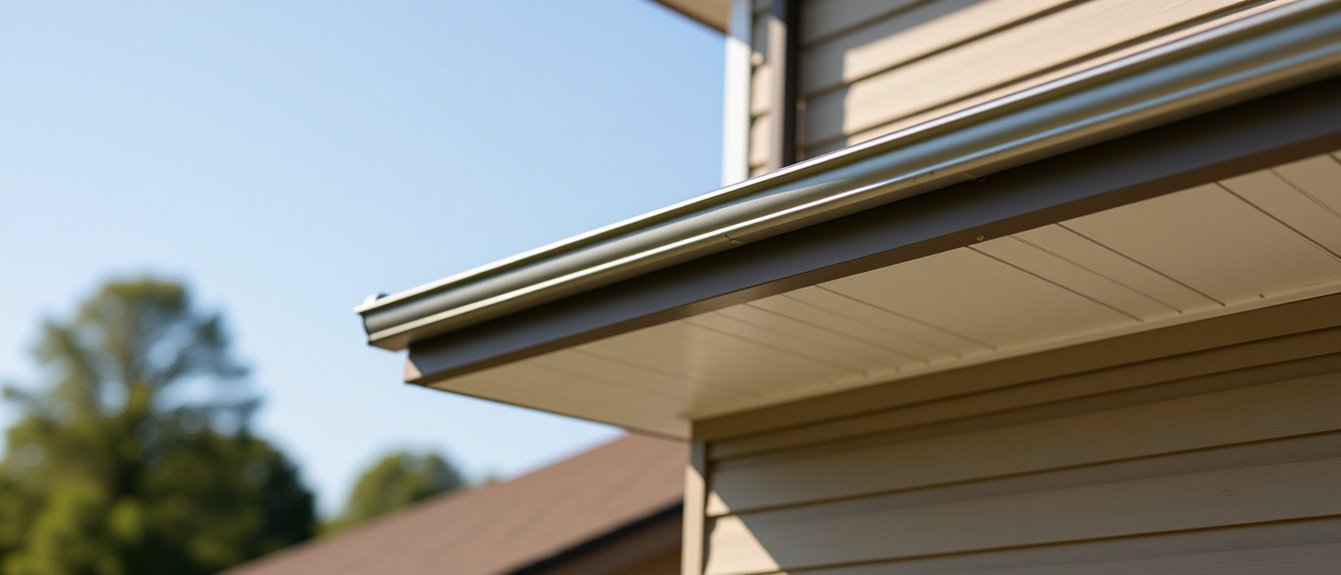
Summary: Fascia style gutters combine the gutter and fascia board into one custom fitted box unit that mounts flush to the roofline, offering higher water capacity and roof edge support than K style gutters. Because proper pitch and tight seams are essential, professional installation and regular maintenance are key to preventing leaks and rot.
Fascia style (box) gutters mount flush to your roof edge and replace the traditional fascia board, creating a clean, integrated channel that carries heavy runoff into downspouts. You’ll get higher water capacity than K‑style gutters and a sturdier edge that helps support your roof. Installation requires precise measurement, custom seams, and correct pitch, so pros usually handle it. Expect easier curb appeal but more maintenance attention; keep going to see materials, costs, and signs you need replacement.
Newport Beach Gutters specializes in fascia gutter installation, repair, and cleaning throughout Orange County, helping homeowners protect their rooflines and foundations with systems built to handle coastal weather.
Highlights
- Fascia (box) gutters combine the gutter and fascia into a single box-like unit mounted at the roof edge.
- They attach directly to the fascia board and are custom-fabricated on-site for a seamless fit.
- The box profile holds more water than K-style gutters, improving performance during heavy runoff.
- Proper pitch, secure hangers, and tight seams direct water to downspouts and prevent leaks.
- They enhance curb appeal and roof-edge support but require professional installation and regular maintenance.
What Are Fascia (Box) Gutters and How They Differ From K‑Style and Omni
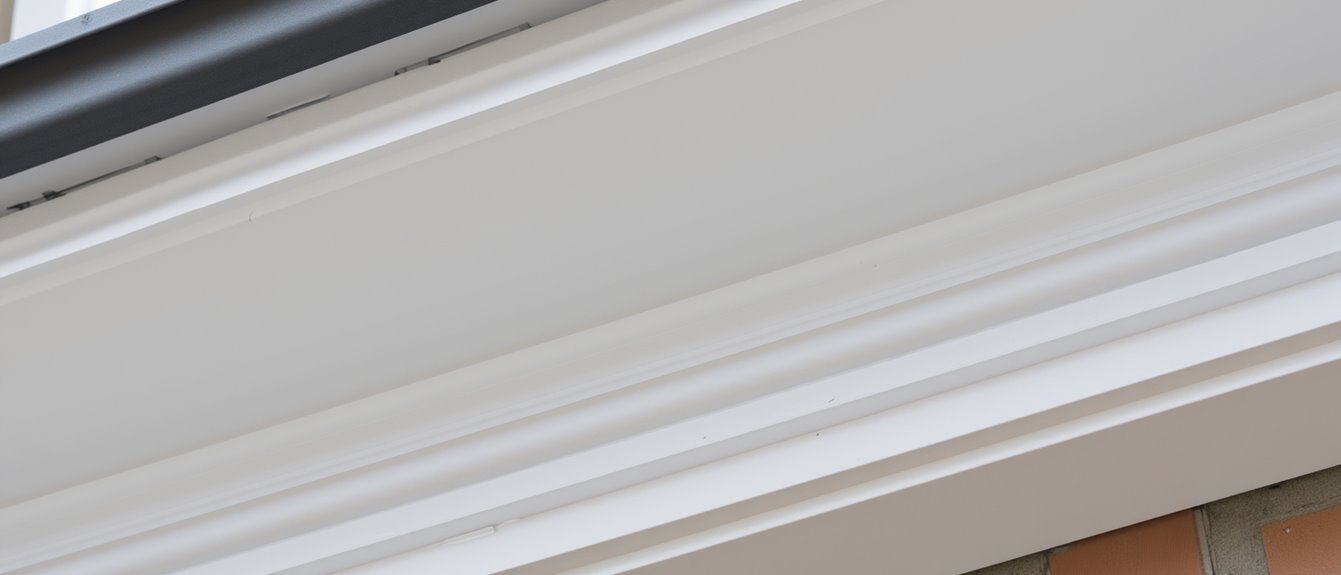
Although they look simple, fascia (box) gutters combine the gutter and fascia into one unit that mounts directly to the roof edge, giving you a clean, modern appearance and greater water capacity than other systems.
You’ll see fascia gutters, or box gutters, tied into the roof’s drainage system as a seamless unit that replaces a separate fascia board. Compared with K-style gutters, which are decorative and need a separate fascia, box gutters offer higher water capacity and handle heavy runoff more reliably.
Omni systems integrate with soffit panels and lack a true fascia board, so you’ll face more structural issues with those.
Installation of fascia gutters demands precise measurements and professional skill to ensure correct pitch and avoid drainage problems. Additionally, custom-fit seamless gutters are essential for optimal protection and effective water management.
Fascia Gutter Parts, Water Flow, and How Installation Works
Fascia gutters attach directly to the fascia board, creating a seamless look that also supports the roof edge. Key components include the custom-fabricated gutter (usually aluminum or steel) and the fascia board connection, plus downspouts.
The box-like profile improves water flow, handling larger volumes and directing runoff away from the foundation. Installation requires on-site measurement and cutting so the gutter system fits precisely. You or your installer must set a proper pitch to prevent pooling and water damage; professional installation ensures tight seams and reliable performance. Additionally, choosing materials like aluminum and copper options can enhance durability and resist corrosion, especially in coastal regions.
Five Benefits and Five Drawbacks of Fascia Gutters for Homeowners
When you’re weighing gutter options, fascia (box) gutters offer clear pros and cons that matter for performance, appearance, and long‑term costs: they provide a sleek look, greater water capacity, and added roof-edge support, but they also come with higher upfront costs, trickier cleaning and installation, and the need for regular maintenance to prevent rot or material damage. You’ll want to compare benefits and drawbacks practically.
| Benefit | Drawback | Action |
|---|---|---|
| Aesthetics improves curb appeal | Higher installation cost | Budget for pro installation |
| Greater water capacity | Cleaning can be difficult | Schedule regular cleaning |
| Provides roof-edge support | Potential for rot | Inspect fascia boards |
| Long lifespan | Material can warp/rust | Choose suitable materials |
This helps you weigh fascia gutters, maintenance, installation, water handling, capacity, lifespan, and cleaning needs.
Materials, Lifespan, Styles, and Typical Costs to Expect
Choosing the right fascia gutter means balancing material, style, lifespan, and cost so you get performance and curb appeal that match your budget.
You’ll choose among common materials, aluminum, galvanized steel, copper, or vinyl, each affecting lifespan and look; aluminum is lightweight and rust-resistant and often the cost-effective choice.
Lifespan varies: aluminum ~25-30 years, steel 30-40, copper 50+ years.
Styles include box profiles for high capacity, step profiles for softer transitions, and custom fascia wraps to boost curb appeal.
Typical costs run about $45, $70 per linear foot depending on material and complexity. Consider seamless design options to reduce clogs.
Prioritize materials, expected lifespan, and reasonable installation and maintenance needs when deciding. Precision installation ensures effective drainage and prevents leaks, making it a vital aspect of your gutter system.
When you need a trusted gutter installation in Newport Beach, working with an experienced local contractor ensures your fascia gutters are pitched correctly, sealed tight, and built to last.
- Compare materials and lifespan.
- Match styles to architecture.
- Budget for typical costs.
Installation Steps, Maintenance Needs, and Signs You Need Replacement
Although installation looks straightforward, fascia gutters demand precise measurements, secure mounting to the fascia board, and custom cutting so they fit the roofline seamlessly and perform as intended.
Follow installation steps: measure roofline, pick materials (aluminum, steel, copper), cut sections to fit, fasten to fascia with proper hangers, seal seams, and slope slightly toward downspouts.
For maintenance needs, inspect and clean gutters seasonally, remove debris buildup, check seals and hangers, and prevent clogs that cause water damage. Regular preventive maintenance can also help identify issues before they escalate.
Watch replacement signs such as water lingering over 24 hours, visible sagging or ripples, ice formation, and chronic overflow near corners or doors.
You’ll usually want professional installation for optimal performance and code compliance of your gutter systems.
For expert help with fascia gutter installation or to get an estimate, call (949) 213-3332 and speak with a local gutter specialist today.
Frequently Asked Questions
What Are Common Problems With Fascia Boards?
You’ll find fascia boards often rot, warp, peel, sag, attract termites, and detach when moisture, heat, or poor fastening overwhelm them; you’ll prevent damage by improving ventilation, clearing gutters, repainting, securing fasteners, and inspecting regularly.
What Does a Fascia Gutter Look Like?
A fascia gutter looks like a deep, rectangular box mounted flush to your fascia board, matching your roofline. You’ll see clean edges, color-matched components, and a larger trough for heavy rain, often in aluminum, steel, or copper.
Which Is Better, Half Round or K-Style Gutters?
K-style gutters are generally better for modern homes because they hold more water, resist clogging, and install easily, but you’ll choose half-round if you want a classic look or need historical authenticity.
Why Do New Builds Not Have Gutters?
New builds often skip gutters because designers prioritize clean aesthetics, use sloped roofs or integrated drainage, rely on landscaping like swales, or aim to reduce materials; you’ll want to verify site grading and runoff plans before deciding.