
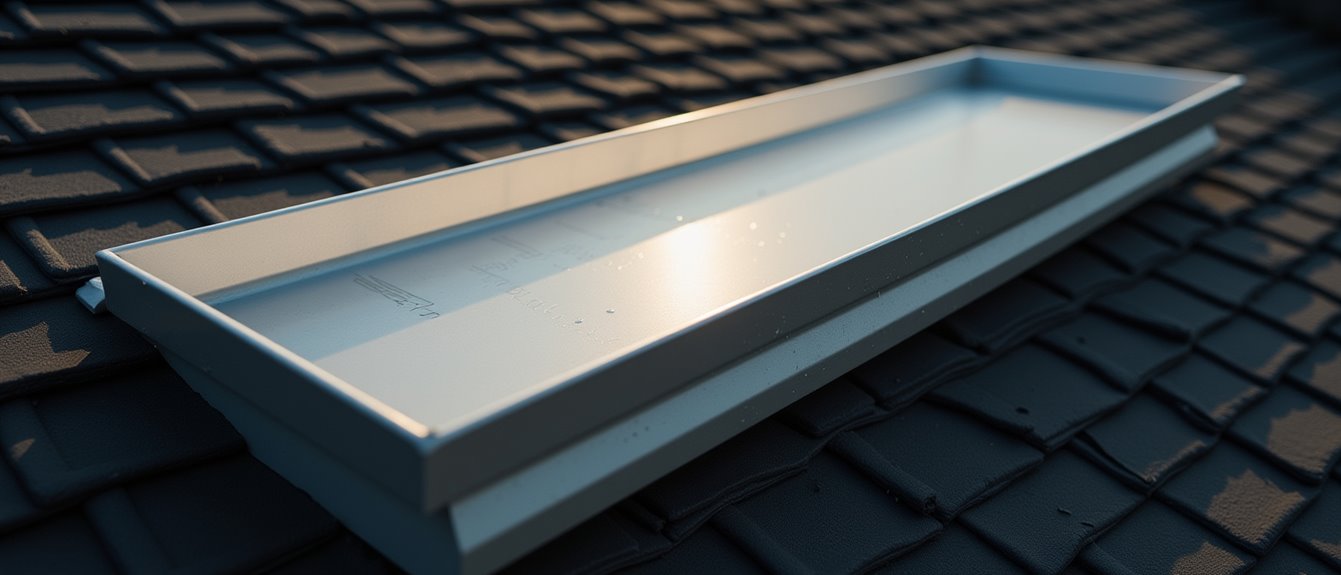
Summary: Box style gutters are large, square-profile channels built into flat or low-slope commercial roofs to move high volumes of rainwater to downspouts. They cost more and require professional installation, but regular twice-yearly inspection and cleaning keep them leak-free and extend their service life.
You’ll find box-style gutters on flat or low-slope commercial roofs where they channel large volumes of runoff through a built-in, square-profile trough. They’re made from durable metals like galvanized steel, aluminum, or copper and often lined with EPDM, asphalt, or metal to prevent leaks. Water flows along the trough to purposefully placed downspouts or internal drains, so regular inspection and cleaning are vital. They cost more and need pros for complex jobs, and more details follow.
Highlights
- Box style gutters are large, square-profile roof channels installed at parapets or between roof planes to collect roof runoff.
- Constructed from metals like galvanized steel, aluminum, or copper and often lined with EPDM, metal, or roofing felt for durability.
- They direct collected water to purposefully placed downspouts, providing higher hydraulic capacity than typical residential gutters.
- Proper fabrication and sealing at seams and flashings minimize leak points where roof planes meet.
- Regular inspection and cleaning twice yearly (and after storms) prevent blockages and extend system life.
What Box Gutters Are and Where They’re Used
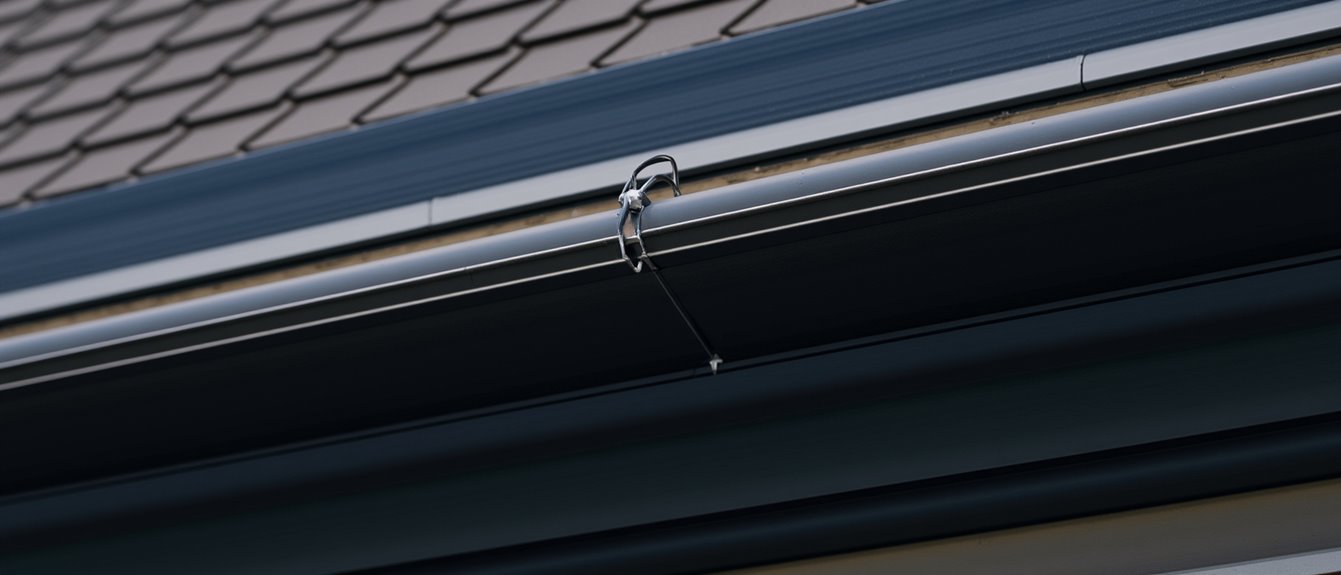
Box gutters are roof-integrated channels you’ll find on flat or low-slope commercial buildings, where they provide a seamless, low-profile way to collect and convey large volumes of rainwater.
You’ll recognize them by a larger channel, typically 7 to 10 inches, that handles high flow and reduces overflow risk during heavy storms.
Installed at parapet wall junctions or between parallel roof planes, they suit complex roof configurations and custom installations.
Because they’re hidden, your building keeps clean architectural lines while the gutter system directs water away from critical structures.
Constructed from durable metals, box gutters withstand harsh weather and offer long service life. Dependable gutters ensure effective water management for your building.
Understanding these benefits of box gutters helps you specify the right system for commercial projects.
Box Gutter Construction: Materials, Shape & Linings
Durability and proper detailing drive box gutter construction, so you'll commonly see them fabricated from galvanized steel, aluminum, or copper to resist corrosion and handle heavy storm flows.
You’ll specify materials based on longevity, maintenance, and finish compatibility with the roof. The characteristic shape is a square-profile channel with 90-degree corners, giving larger capacity and straightforward integration into roof planes.
Linings, EPDM rubber, asphalt, metal, or roofing felt, provide critical waterproofing and protect the structural metal from standing water and debris abrasion.
Custom fabrication lets you match architectural lines and conceal fasteners for a seamless appearance at parapets or between parallel roofs.
Proper selection and detailing of materials, shape, and linings ensure performance, ease of maintenance, and durable waterproofing. Additionally, gutter repair services are crucial for maintaining the effectiveness of box gutters over time.
| Component | Options |
|---|---|
| Metal | Galvanized steel, aluminum, copper |
| Lining | EPDM, asphalt, metal, felt |
| Shape | Square profile, 90-degree corners |
| Purpose | Waterproofing and corrosion resistance |
How Box Gutters Drain Water: Flow Paths & Downspouts
One critical pathway channels roof runoff into a larger, square-profile gutter that directs concentrated flows toward purposefully placed downspouts.
You’ll see water flow from roof edges into box gutters sized to handle high volumes; the channeling minimizes leak points where parallel roofs meet.
Downspouts are positioned for direct, efficient drainage and often pass through parapet walls to preserve appearance while keeping flow paths short.
You must inspect and clear these routes regularly to prevent blockages and preserve performance. Regular gutter cleaning ensures optimal function and prevents damage.
- Relief that rain won’t pool or damage the structure
- Confidence in predictable, controlled water flow
- Trust that concealed downspouts retain aesthetics
- Assurance that integrated channels reduce leaks
- Peace of mind from routine maintenance
Box Gutters: Pros & Cons (Performance, Cost, Maintenance)
Having seen how box gutters channel runoff into concentrated flows and downspouts, you’ll want to weigh their performance, cost, and upkeep before specifying them for a project.
Box gutters deliver superior hydraulic capacity due to larger channel area, so they handle high rainfall runoff with less risk of overflow.
The pros & cons are straightforward: performance and long-term durability are strong pros; higher initial installation and fabrication cost and the need for professional installation are primary cons.
You’ll need regular maintenance, cleaning at least twice yearly, to avoid blockages that can cause water damage. Additionally, custom sizing options help ensure that the system adequately meets your specific drainage needs.
While installation is complex and not DIY-friendly, the robust weather resistance can offset higher upfront cost over the system’s service life, making them a pragmatic choice.
Inspecting and Maintaining Box Gutters for Long Life
Inspect box gutters at least twice a year and after major storms to catch blockages, leaks, or lining deterioration before they cause damage.
You’ll perform systematic inspections focused on lining integrity, fasteners, seams and downspouts; document findings and prioritize repairs.
Regular cleaning removes leaves and sediment that cause water backup and corrosion, reducing leak risk. Maintain downspouts clear to ensure effective drainage and pressure-free seams.
- Feel confident when you spot and remove debris promptly.
- Feel relieved knowing lining issues are found early.
- Feel secure after verifying downspout flow.
- Feel proactive by scheduling routine maintenance.
- Feel assured when inspection records guide repairs.
Additionally, consider professional services for custom hangers and drainage checks to enhance the longevity of your box gutters.
Follow a disciplined maintenance routine; if complexity exceeds your skills, hire professional help.
For expert gutter installation in Newport Beach, working with a licensed local contractor ensures your box gutter system is fabricated, sealed, and sized correctly for your building from day one.
Choosing the Right Box Gutter and When to Hire a Pro
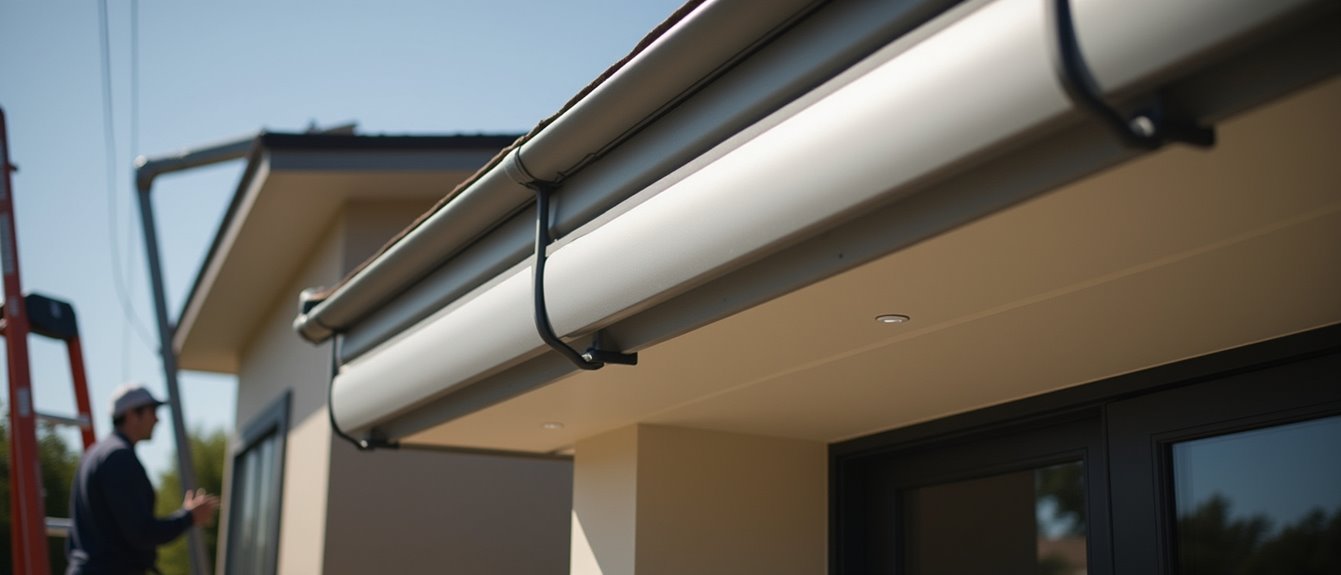
When selecting a box gutter, weigh material, size, and installation complexity so you get a system that performs and fits the building’s style; common choices are galvanized steel, aluminum, or copper in 6-12 inch profiles. Many jobs benefit from custom fabrication to match architecture.
You should assess roof pitch, expected runoff, and aesthetic goals to select materials and profile that balance durability and appearance. Because box gutters demand precise slope, seams, and waterproofing, hire a professional installer for complex layouts or when you see sagging, leaks, or rust.
Routine maintenance, cleaning at least twice yearly and inspections, prevents blockages and hidden damage. Use a pro for repairs or annual service to preserve performance and extend system life.
Frequently Asked Questions
What Are Common Problems With Box Gutters?
About 60% of failures stem from clogging; you’ll face blockages, water damage and leaks, sagging from debris weight, metal corrosion, and complex repairs requiring professionals, so inspect, clean, seal, and reinforce regularly to prevent costly issues.
Are Box Gutters Better?
Yes, you’ll find box gutters superior for large, flat-roofed buildings because they handle high water volumes, reduce overflow risk, integrate aesthetically, use durable materials, and lower long-term maintenance and water-damage costs despite higher upfront expense.
Are Box Gutters a Problem?
They can be problematic if neglected: you’ll face higher maintenance, debris buildup, installation errors causing leaks, and greater repair costs, though proper design, regular cleaning, and quality installation mitigate most issues and extend service life.
Are Box Gutters More Expensive?
Yes, you'll pay more upfront for box gutters due to custom fabrication and skilled installation, and maintenance can cost more; however, their durability and superior water handling often reduce long-term repair and replacement expenses.
Because box style gutters carry more water than standard profiles, correct sizing and mounting are critical. Newport Beach Gutters designs and installs custom systems locally. Call (949) 213-3332 for a free quote.