
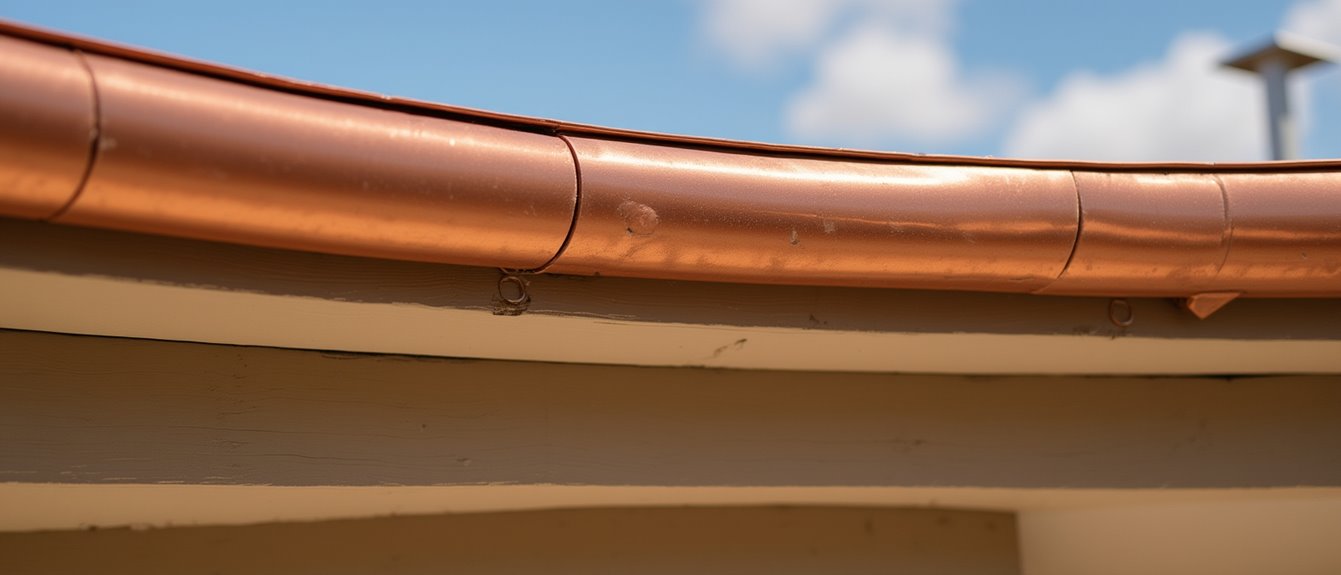
Summary: Round gutter materials each offer different tradeoffs: aluminum balances cost and easy installation, copper delivers decades of durability with a classic patina, steel or galvalume resist dents and corrosion, and vinyl suits mild climates on a budget. Match your choice to climate, weight tolerance, maintenance willingness and cost for the best long term performance.
Choose round gutters by weighing durability, weight, cost, climate and look. You’ll get lightweight, rust‑resistant aluminum for good value and easy installation; copper for century‑long life, low upkeep and a desirable patina; steel or galvalume when you need dent resistance and superior corrosion protection; and vinyl for low cost DIY use in mild climates. Consider leaf guards, rain chains and downspout style for maintenance. Keep going and you’ll find detailed comparisons, costs and installation tips.
Highlights
- Aluminum balances lightweight installation, rust resistance, and moderate cost, making it the most common choice for round gutters and downspouts.
- Copper offers unmatched longevity and curb appeal, developing a protective patina and often lasting many decades with minimal maintenance.
- Galvalume or galvanized steel provides superior strength and impact resistance, ideal for heavy snow or ladder-prone areas.
- Vinyl is budget-friendly and corrosion-proof for mild climates but can crack in extreme temperatures and heavy storms.
- Choose material by climate, budget, weight tolerance, maintenance willingness, and desired aesthetic to optimize performance and lifespan.
How to Choose Round-Gutter Material: 5 Key Criteria
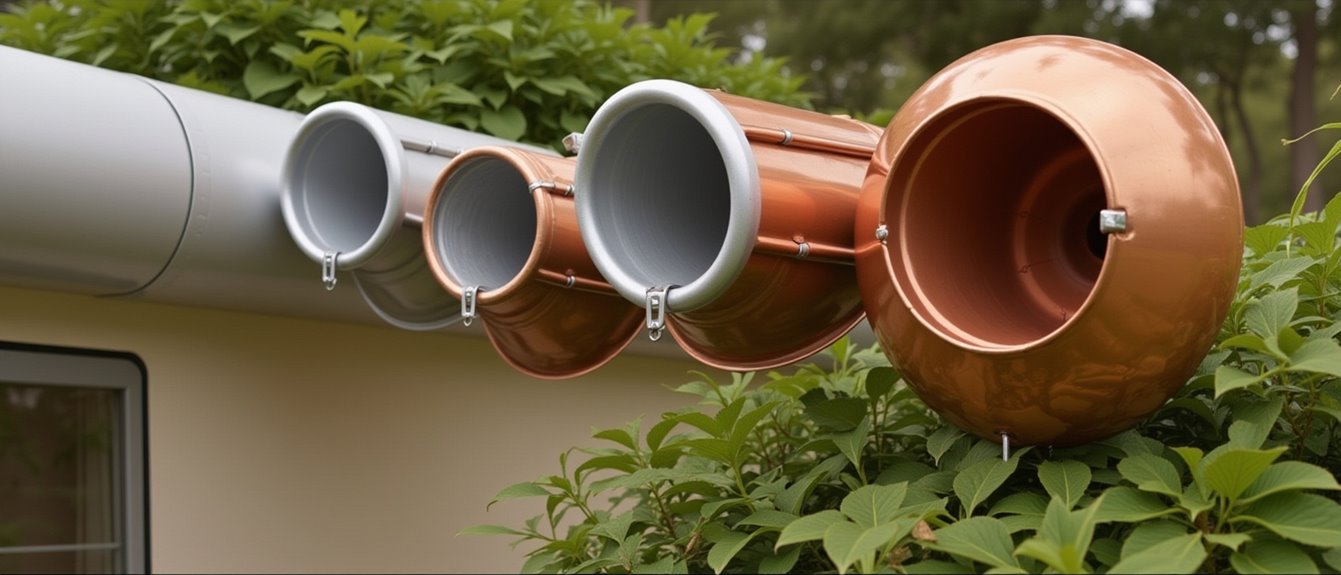
Picking the right material for round gutters comes down to five practical criteria you should weigh: durability, aesthetic appeal, weight (and ease of installation), cost efficiency, and climate suitability.
Start with durability: stainless steel and copper gutters resist rust and can last decades with little upkeep, so prioritize them if longevity matters.
For aesthetic appeal, copper gutters develop a patina that adds classic elegance, while painted options let you match trim.
Consider weight considerations: lightweight vinyl or aluminum gutters make DIY installation simpler but may not hold up under heavy storms.
Evaluate cost efficiency against expected lifespan, copper costs more upfront, aluminum gutters often strike a balance.
Finally, match materials to climate suitability; galvanized steel or copper handles heavy rain and snow best. Additionally, seamless aluminum runs are effective in preventing foundation washouts, making them a reliable choice for various climates.
Aluminum Round Gutters & Downspouts: Benefits and Limits
Aluminum round gutters and downspouts give you a lightweight, rust-resistant system that balances affordability with solid performance, making them a common choice for homeowners who want durability without the premium cost of copper.
You'll get a smooth profile that suits traditional architectural styles and promotes efficient water flow, reducing clogging compared with more ornate profiles.
Expect a typical lifespan around 20 years when you ensure proper installation, use a 1/4-inch slope per 10 feet to avoid pooling, sagging, and leaks.
Aluminum is available in many colors but can need periodic repainting in harsh climates.
Routine maintenance, clearing debris and checking fasteners, keeps performance reliable. Additionally, custom sizing options ensure that the gutters match your specific roof area and local rainfall conditions.
Copper Round Gutters & Downspouts: Longevity and Value
Because copper can last up to a century, choosing copper round gutters and downspouts is a long-term decision that pays off in durability and low upkeep. You’ll get copper gutters with exceptional corrosion resistance and a natural patina that enhances aesthetic appeal while protecting the metal. Their lifespan and minimal maintenance translate into real cost savings over decades, and they boost curb appeal for historic restorations or premium architectural designs. Additionally, seamless gutters custom-formed on site reduce leaks and provide a clean appearance.
| Feature | Benefit | Impact |
|---|---|---|
| Durability | Up to 100-year lifespan | Long-term value |
| Corrosion resistance | Patina protection | Less upkeep |
| Aesthetic appeal | Classic finish | Higher home value |
Specify copper when you want proven longevity, low maintenance, and lasting curb appeal.
Steel & Galvalume Round Gutters: Strength and Corrosion Resistance
If copper offers century-long beauty and low upkeep, steel and Galvalume give you a different kind of resilience: brute strength and engineered corrosion protection that stand up to physical abuse and harsh weather.
You’ll choose steel round gutters when superior strength matters, they resist dents from ladders and fallen branches and maintain profile under load. Galvalume round gutters add a protective aluminum-zinc coating, delivering enhanced corrosion resistance versus standard galvanized options.
Both materials deliver longevity; with routine maintenance you can expect service beyond 20 years. Upfront costs can be higher, but cost-effectiveness shows over time through reduced repairs and replacements.
Available in multiple finishes, they offer aesthetic versatility to match diverse architectural styles while prioritizing durability and low ongoing maintenance.
Vinyl Round Gutters: Best Use Cases and Installation Tips
Practical and lightweight, vinyl round gutters come in 6- and 12-foot sections that make them easy to handle for DIY installs and quick professional jobs alike.
You’ll appreciate vinyl round gutters for being lightweight, easy to install, and rust and corrosion resistant, so they perform well in moderate rainfall and milder climates.
Avoid them where heavy storms or frequent ice occur, since extreme temperatures can make vinyl crack or become brittle.
Pay attention to proper sealing techniques: clean mating surfaces, use compatible sealant, and snugly align joint sections to prevent leaks.
Choose color options that complement home’s exterior, knowing some fade may occur. These installation tips help you get a durable, attractive system when conditions suit vinyl. Additionally, regular preventive maintenance is crucial to ensure your gutters function effectively over time.
If you are ready to explore the best round gutter material for your home, contact Newport Beach Gutters for a free estimate from a trusted gutter installation company in Newport Beach. Call us today at (949) 213-3332 and our team will help you choose the right material, profile and accessories for your specific roof and climate.
Gutter Accessories: Leaf Guards, Rain Chains, and Downspout Options
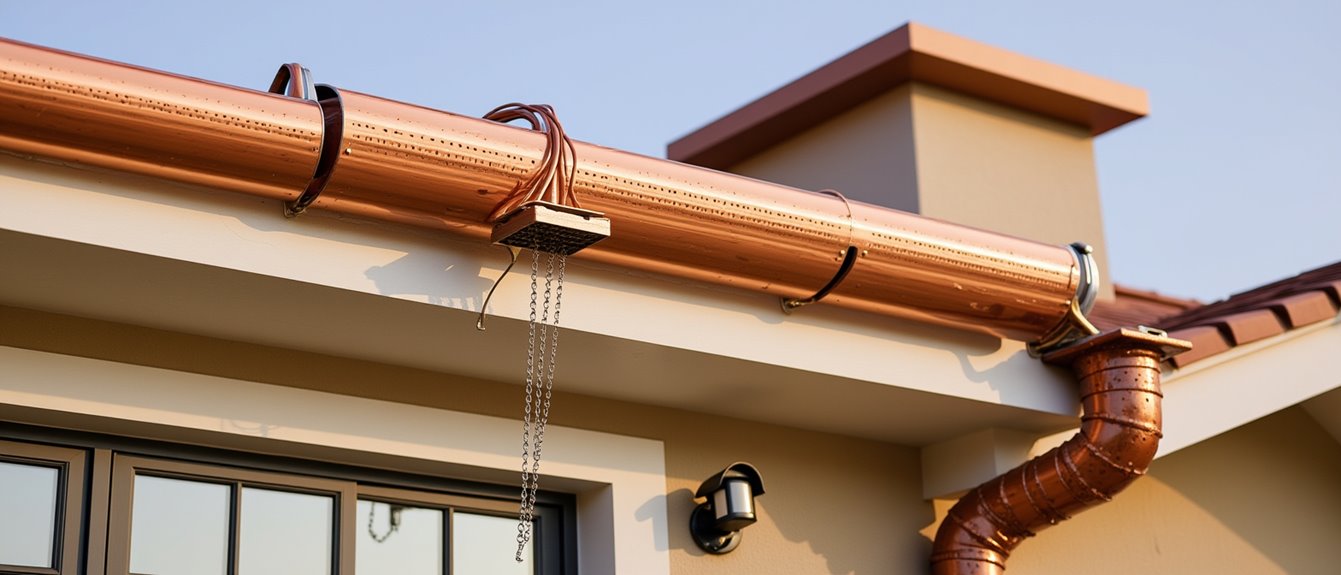
Want to cut down on maintenance while keeping water moving away from your foundation? Choose gutter accessories that match your round gutters and roof runoff. Consider these practical options:
- Leaf guards: prevent debris buildup, lower cleaning frequency, and come in aluminum or copper; check compatibility with round gutters and expected maintenance needs.
- Rain chains: decorative alternatives to downspouts that guide water visibly; material considerations (copper for patina, aluminum for low weight) affect durability and style.
- Downspout options: pick shape and size to handle water volume, round, rectangular, or square fittings must match gutter outlets; ensure proper attachment and material compatibility to avoid leaks.
You’ll want products specified for round gutters, prioritizing compatibility, material, and realistic maintenance expectations.
Cost, Lifespan, and Maintenance Comparison for Round-Gutter Systems
Now that you’ve matched accessories to your round gutters, it’s time to compare costs, expected lifespans, and maintenance demands so you can pick the best material for your budget and long-term needs. You’ll weigh upfront cost against longevity: vinyl is cheapest but lasts ~10 years and risks cracks; aluminum balances cost and durability (~$3, $15/ft, up to 20 years) with low maintenance; copper costs most but can exceed 50 years and resists water damage. Schedule inspections twice yearly and after storms to catch issues early, as experienced technicians can help ensure your system remains functional. Timely repairs and occasional sealant for copper reduce replacements. Use the table below to compare at a glance.
| Material | Typical outcome |
|---|---|
| Vinyl | Low cost, short lifespan |
| Aluminum | Moderate cost, low maintenance |
| Copper | High cost, long lifespan |
| Inspections | Prevent water damage/replacements |
Frequently Asked Questions
What Is the Best Material for Gutters and Downspouts?
If you want longevity and low maintenance, pick copper: a homeowner I know replaced aluminum with copper and hasn’t needed repairs in decades. You’ll pay more upfront, but you’ll get unmatched durability and timeless aesthetics.
What Are the Disadvantages of Half-Round Gutters?
They clog more easily, carry less water, and can overflow in heavy storms. You’ll face higher installation costs and specialized brackets, limited modern style options, and increased maintenance risk compared with K-style or box gutters.
Which Is Better, Half-Round or K-Style Gutters?
Heads-up: you’ll weigh trade-offs, K-style’s better for capacity and cost, half-round’s better for historic aesthetics. You’ll choose K-style for performance and budget, half-round if appearance and easier cleaning matter more to you.
What Material Should Not Be Used for Gutters?
You shouldn’t use wood, cheap plastics, uncoated steel, or improperly coated aluminum for gutters; they’ll rot, crack, rust, or corrode prematurely, causing leaks and failures, so choose durable, properly finished materials instead.