

Summary: Durable gutter painting depends on thorough cleaning and sanding, using the right primer and paint for each material, applying coats in mild dry weather, and following proper drying times. Regular inspection and repainting every 3 to 5 years keeps gutters protected and looking good.
You’ll get the longest‑lasting finish by prepping thoroughly, picking primers and paints for each material, and painting in the right weather. Clean with a stiff brush and mild cleaner, sand rust or oxidation, then use rust‑preventive primer on galvanized, bonding primer on aluminum, and a vinyl‑specific acrylic on plastic gutters. Spray for speed, brush or roll for seams, and pick semi‑gloss or gloss for durability. Follow drying times and inspect annually, and keep going to learn practical step‑by‑step tips.
Highlights
- Clean and dry gutters thoroughly, removing dirt, mildew, and loose paint before any primer or paint application.
- Use a compatible primer: bonding primer for aluminum, rust-preventive primer for galvanized steel, and plastic primer for vinyl.
- Choose high-quality acrylic-latex or oil-based paint for metal, and UV-resistant specialty acrylics for vinyl.
- Apply paint on dry, mild days (50-80°F, humidity under 70%) and follow manufacturer drying times between coats.
- Finish with semi-gloss or gloss and inspect annually, planning full repainting every 3-5 years for durability.
Quick Answer: Best Paint & Primer for Gutters
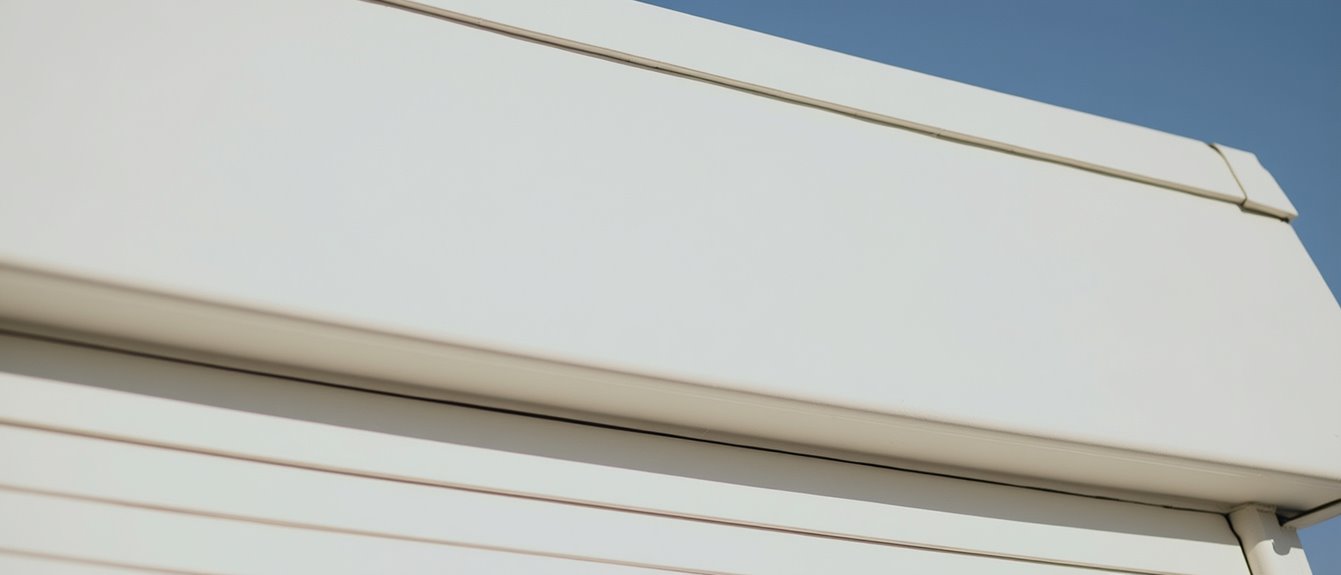
Choosing the right paint and primer for gutters will make the job last and cut down maintenance; use acrylic-latex for aluminum and vinyl, and consider oil-based for bare aluminum where metal adhesion matters most.
You'll want the best paint that balances durability and weather resistance, acrylic-latex for vinyl/aluminum, oil-based when you need stronger metal bite.
Always prep with a bonding primer on weathered or previously painted surfaces to lock adhesion.
For galvanized steel, pick metal primers formulated to prevent rust; brands like Rust-Oleum are proven.
Finish with semi-gloss or gloss for tougher protection and easier cleaning.
Use a dedicated metal primer under oil or acrylic systems where compatibility and corrosion resistance are critical. Additionally, consider the benefits of custom-fit seamless gutters for optimal protection against runoff and rot.
Choosing Paint & Primer for Galvanized, Aluminum, and Vinyl Gutters
When you're painting gutters, match primer and paint to the material so adhesion and corrosion resistance hold up: use a high-quality metal primer on galvanized gutters to bond to zinc and inhibit rust.
For aluminum gutters, choose a bonding primer and an oil-based paint when possible, oil adheres better to the aluminum oxide layer and needs fewer coats than acrylic.
Vinyl gutters require specialty acrylics formulated for plastics and UV resistance to avoid fading and peeling.
Pick exterior-grade primers matched to each substrate (rust-inhibiting for steel/galvanized, bonding for aluminum, plastic-bonding for vinyl).
Finish with gloss or semi-gloss paint to improve durability and shed water. Additionally, ensuring proper alignment and slope during installation will help maintain the integrity of your paint system.
Following these matches will minimize failures and extend the life of your gutter paint system.
If you are looking for a reliable gutter company in Newport Beach, working with a local professional ensures your materials, prep, and application all meet the demands of the coastal Southern California climate.
| Material | Primer | Paint Type |
|---|---|---|
| Galvanized steel | Rust-preventive metal primer | Acrylic-latex or oil-based |
| Aluminum | Bonding or oil-based primer | Oil-based preferred |
| Vinyl | Plastic-specific primer | UV-resistant acrylic |
| All materials | Match to substrate | Finish in semi-gloss or gloss |
Preparing Gutters: Cleaning, Sanding, and Priming by Material
Now that you've matched primers and paints to each gutter material, get the surfaces right before you apply them.
Begin with thorough cleaning: use a stiff brush and non-abrasive cleaner to remove dirt, debris, and loose paint so primer and paint can bond.
For metal gutters, inspect for rust; sanding with fine-grit sandpaper removes corrosion and smooths imperfections, improving adhesion and finish.
On galvanized steel, use a metal primer after cleaning and sanding; allow the primer to dry fully, typically 48 hours, before painting.
For aluminum, choose an oil-based primer formulated for aluminum.
For vinyl, clean well and use a plastic-specific primer designed to accept topcoat.
Follow drying times closely to avoid bubbling or peeling and ensure durable results. Additionally, ensure your gutters are well-maintained to restore proper water flow, preventing future issues.
Spray vs. Brush/Roller: Choosing Application Methods and Tools
Wondering which method will save you time without compromising durability? You’ll choose spray painting efficiency when speed and a smooth finish quality matter: sprayers cover large, intricate gutters quickly and lay down thinner coats that dry faster.
Opt for brush/roller precision when you need control around seams, brackets, or textured surfaces; brushes and rollers give better adhesion in tight spots and reduce overspray.
Consider equipment: sprayers need protective gear, masking, and cleanup, while brushes and rollers are affordable and DIY-friendly.
For best results match method to condition, spray for uniform areas, brush/roller for detail or uneven metal.
Plan for drying-time differences and material adhesion so your chosen approach supports long-term durability.
Step‑by‑Step Painting Workflow for Durable Coverage
After choosing spray or brush/roller for the job, follow a clear workflow to get durable, long-lasting coverage.
First, perform thorough cleaning with a stiff brush and non-abrasive cleaner to remove dirt, debris, and loose paint so new layers stick. Rinse and let the gutters dry completely.
Next, apply an exterior-grade primer matched to the gutter material; let it cure fully (about 48 hours) to maximize adhesion.
Then use high-quality acrylic paint or approved oil alternatives, applying thin, even coats to avoid drips and ensure uniform coverage. Allow each coat to dry before adding another.
Finally, inspect annually for chips or peeling and plan a full repaint every 3-5 years to maintain protection and appearance.
For expert help with your gutters, reach out to Newport Beach Gutters or call (949) 213-3332 to get a free estimate from a trusted local team.
Fixing Rust, Oxidation, Old Paint, and Adhesion Problems
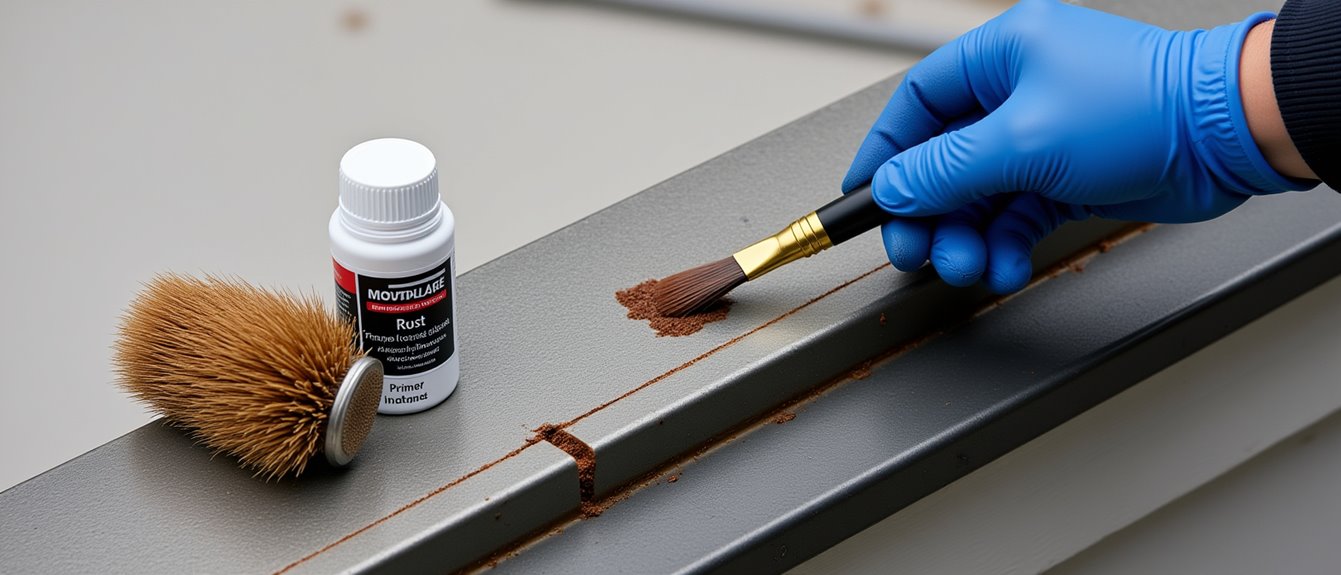
Start by assessing the surface to identify rust, oxidation, loose paint, and areas where adhesion has already failed; addressing these problems properly is the difference between a temporary touch-up and a long-lasting job.
For fixing rust, scrape and wire-brush to remove loose oxide, then apply a rust-inhibiting metal primer. If gutters show aluminum oxidation, sand lightly to smooth the surface and improve bonding.
For old paint, use a stripper or solvent where layers are stubborn, then wash away residues and let the metal dry completely. Choose primers formulated for your gutter material to enhance adhesion and paint durability.
Clean and dry thoroughly before priming; moisture undermines adhesion problems and leads to future peeling. Follow with appropriate topcoat.
Weather, Drying Times, Scheduling, and Avoiding Failures
Because weather and timing directly determine whether a paint job on your gutters lasts or peels within months, pick dry, mild days (50-80°F / 10-27°C) with humidity under 70% and several rain-free days ahead so coatings can fully cure.
Check forecasts and manufacturer's drying times, water-based paints often skin in 1-2 hours; oil-based can need up to 12 hours. Schedule work in late spring or early fall when rain is least likely and humidity is lower.
Clean gutters thoroughly; any dirt or oxidation lets paint fail fast. Monitor temperature swings overnight; repeated dew slows curing and raises the chance of failures.
Plan buffer days for touch-ups and full cure before exposing gutters to heavy weather.
- You’ll feel relieved when the finish holds.
- You’ll dread peeling if you rush.
- You’ll trust schedules that honor drying times.
- You’ll avoid failures by controlling weather variables.
Pricing, Safety, Guarantees, and Add‑On Services to Offer Homeowners
Clear pricing, strict safety, and smart add-ons make your gutter-painting job both attractive to homeowners and low-risk for your crew.
Use transparent pricing: quote £50, £70 for paint covering 15-20m and explain savings versus £600, £800 replacement. Break costs into materials, labor, and optional extras so clients see value.
Prioritize safety: mandate harnesses, helmets, and purpose-built ladders or scaffolding; document procedures and carry liability insurance.
Offer clear guarantees: 3-5 year warranties on application and materials, with written terms for fade, flake, or adhesion failures. Additionally, ensure that all work aligns with professional services to maintain high standards.
Market bundled add-on services and maintenance plans, cleaning, inspection, minor repairs, and annual touch-ups, to increase revenue and prolong gutter life.
Train crews to upsell these responsibly.
Frequently Asked Questions
What Is the Best Way to Paint Gutters?
You should clean gutters thoroughly, prime with a material-appropriate exterior primer, then apply high-quality acrylic or oil-based paint in thin, even coats, allowing full drying between coats, and inspect periodically for touch-ups to maintain durability.
How Long Will Paint Last on Gutters?
About 5 to 10 years, though harsh sun or rust shortens it. You should use quality rust-inhibiting paint, prep and prime thoroughly, inspect regularly for chips, and touch up as soon as peeling or fading appears.
Should Gutters Be Painted Pros and Cons?
Yes, you’ll get improved longevity, lower replacement costs, better curb appeal, and environmental benefits; but you’ll risk chipping, peeling, and extra maintenance if you skip proper prep, quality paint, or periodic touch-ups in harsh climates.
How to Protect Gutters When Painting?
You’ll protect gutters by masking nearby surfaces with quality tape, cleaning and priming metal, painting in dry mild weather, using compatible paints, and finishing with a clear sealant; inspect and touch up chips promptly to maintain durability.