
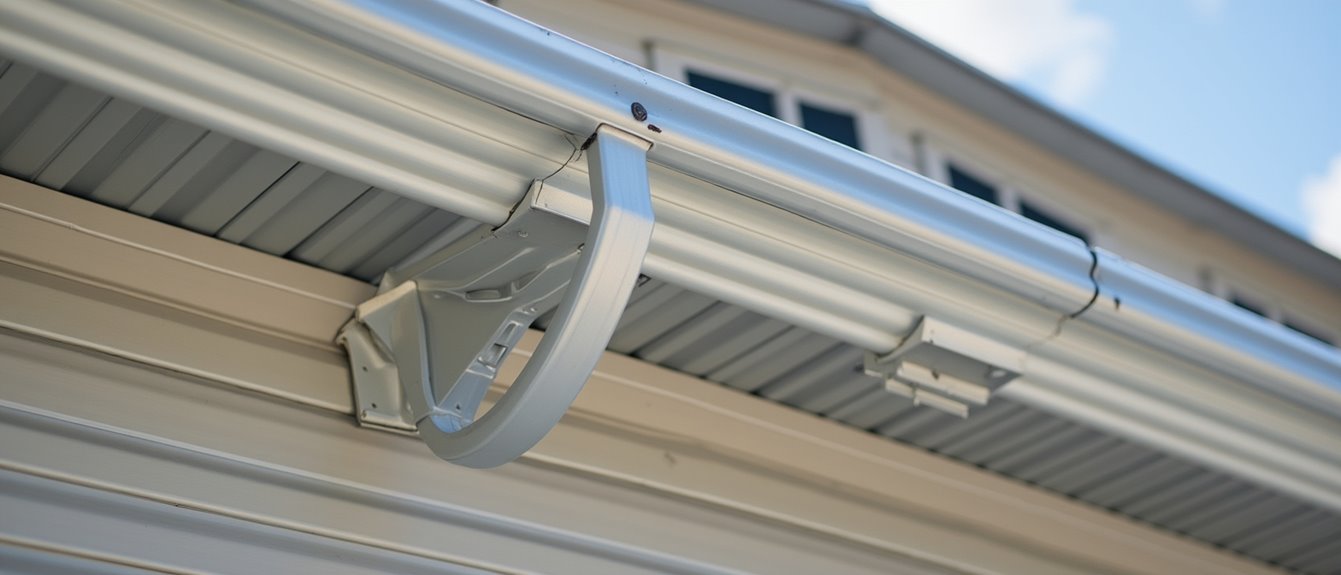
Summary: Trailer home gutters should resist corrosion, handle heavy runoff, and attach securely using trailer-rated hangers with proper slope. Choose aluminum, vinyl, or copper based on budget and climate, favor seamless 5-6 inch K-Style or half-round profiles, space downspouts 30-40 feet apart, add guards, and clean twice yearly.
You’ll want gutters that resist corrosion, handle heavy runoff, and attach securely to your trailer’s frame. Choose materials, aluminum for light weight and rust resistance, vinyl for budget-friendly climates, or copper for longevity, based on your budget and weather. Favor 5-6 inch K‑Style or half‑round profiles sized for your roof pitch, use seamless runs where possible, place downspouts every 30-40 feet and discharge 3-5 feet away, add guards for low maintenance, and follow trailer‑rated attachment guidance to avoid problems; more specifics follow.
Highlights
- Choose a material (aluminum, vinyl, or copper) that balances durability, climate resistance, and budget.
- Prefer seamless K‑style or 6‑inch gutters for higher capacity and fewer leaks in heavy rain.
- Place downspouts every 30-40 feet and discharge water 3-5 feet from the foundation.
- Use hangers and fasteners rated for mobile structures and ensure proper slope for drainage.
- Schedule biannual cleaning and regular seam/fastener inspections to prevent clogs and damage.
How to Choose Gutters for Trailer Homes (Quick Checklist)
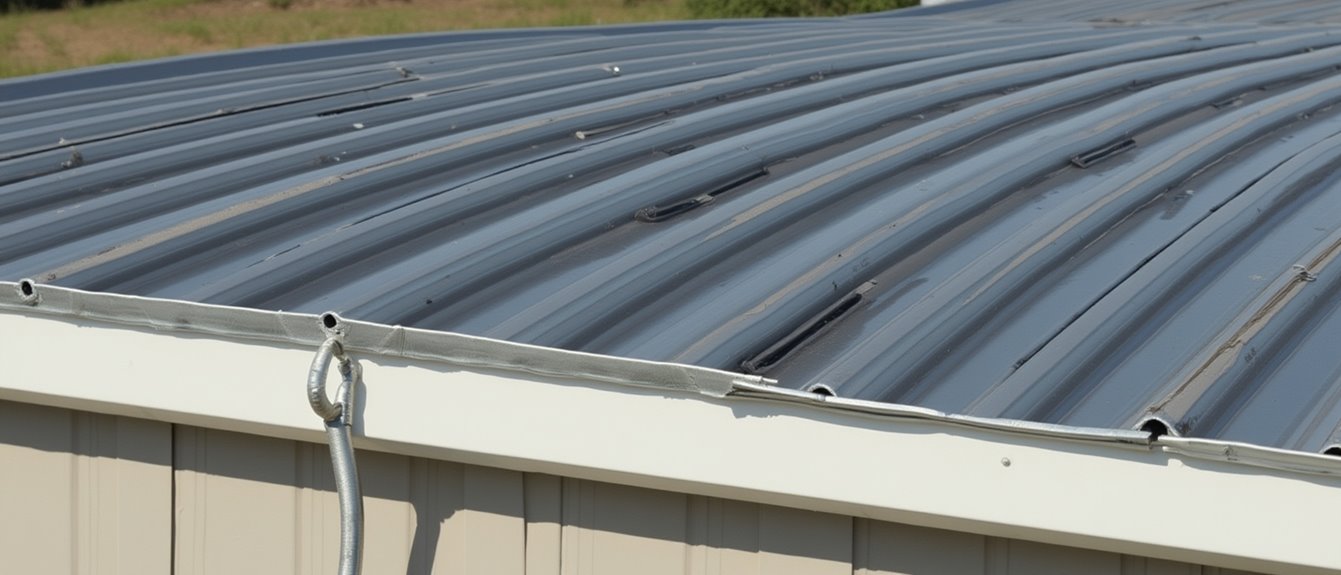
Choosing the right gutters for your trailer home starts with a clear checklist you can follow step by step.
First, prioritize aluminum gutters for mobile homes: lightweight, rust-resistant, and cost-effective.
Next, select a gutter type, K-Style or seamless, to match aesthetics and reduce leak points.
Verify proper installation by confirming a slight slope toward downspouts to maintain consistent water flow and prevent pooling.
Plan downspout placement so discharged water reaches 3-5 feet from the foundation to avoid erosion.
Include maintenance considerations: schedule cleaning at least twice yearly to prevent clogs and inspect fasteners and seams.
For expert guidance on selecting and installing the right gutter system for your trailer home, contact Newport Beach Gutters at (949) 213-3332 to speak with a specialist who can walk you through your best options.
Finally, size gutters to roof runoff and use splash blocks or extensions to guide water away, protecting your trailer’s structure. Consider working with a licensed and insured contractor to ensure proper installation and compliance with local regulations.
Gutter Types & Materials: Pros and Cons for Trailers
When you evaluate gutter options for a trailer home, focus on how each type and material balances durability, maintenance, and cost.
Understand common gutter types: K-Style gutters handle large volumes and suit contemporary trailers; Half-Round gutters offer a classic profile and are easier to clean, lowering maintenance time.
Consider seamless gutters to minimize leaks and simplify upkeep since they’re custom-fit.
For materials, aluminum gives you rust resistance and solid durability at moderate cost, while vinyl is cheaper but can warp in extreme temperatures, best for milder climates.
Copper gutters cost more upfront yet deliver exceptional longevity and develop a protective patina that reduces corrosion. Additionally, gutter cleaning is essential to maintain clear drainage and prevent damage, ensuring your trailer home's gutters perform optimally.
Match your climate, budget, and willingness to perform maintenance to pick the right combination.
Gutter Size & Profile: Choosing Width and Shape
How wide should your gutters be to handle your roof’s pitch and local rainfall? For most mobile home gutters you’ll choose 5- or 6-inch widths: steeper pitch or heavy rain favors 6-inch for reliable water management.
Select a gutter profile that balances function and aesthetic appeal. K-Style gutters move more water than half-round gutters, which look attractive and clean easily but can clog faster with heavy leaf fall.
Favor seamless gutters when possible; custom fabrication reduces joints and leak risk, improving long-term performance. Match profile to the trailer’s lines to avoid visual disruption while ensuring capacity to prevent erosion and structural issues. Additionally, consider using aluminum and copper options for durability in California conditions.
Measure roof runoff, consider maintenance access, and prioritize a size/profile pairing that fits both form and function.
Downspout Placement: Direct Water Away From the Foundation
Although it’s easy to overlook, proper downspout placement is essential to keep water from pooling near your trailer’s foundation and causing rot or mold, so position them to discharge at least 3-5 feet away from the structure.
You’ll want a downspout for every 30-40 feet of gutter to maintain your gutter system’s capacity and prevent overflow during heavy rain.
Angle downspouts so gravity helps direct water away from the foundation; that simple slope improves effective drainage immediately.
Add rigid extensions or splash blocks to further direct water and reduce soil erosion around your mobile home.
These measures will prevent water intrusion, protect landscaping, and ensure proper drainage that preserves structural integrity without relying on complex solutions.
If you are looking for trusted gutter installation in Newport Beach, working with a local professional ensures your downspout placement and slope are calibrated correctly for Orange County rainfall patterns.
Seamless vs Sectional Gutters: Leak Risk and Maintenance
Because gutters are your first line of defense against water damage, choosing between seamless and sectional systems comes down to weighing leak risk, maintenance needs, and long-term costs.
Seamless gutters are custom-made to your trailer’s dimensions, so you’ll see fewer joints and a much lower leak risk; they also reduce clogs and often improve aesthetic appeal with a clean, continuous line.
Sectional gutters suit DIY installation and lower upfront costs, but the multiple seams create more potential failure points, higher maintenance, and more frequent cleaning to prevent clogs.
If you want reduced long-term maintenance and fewer leak-related repairs, invest in seamless gutters.
If budget and DIY convenience dominate, expect ongoing maintenance and occasional leak patches with sectional gutters.
Leaf Guards & Screens: Low‑Maintenance Protection Options

Once you’ve picked between seamless and sectional gutters, stopping debris before it ever reaches the trough is the next practical step. You’ll find leaf guards and screens reduce cleaning frequency and prevent clogs, sometimes by up to 90%, so water flow stays efficient and overflow is minimized. Choose systems that offer a seamless fit with your K-Style or Half-Round gutters and use durable materials like aluminum or stainless steel for rust protection and longevity. That low-maintenance investment will extend lifespan and cut repair costs. Compare options by material, fit, and performance to match your trailer home’s profile and local debris load.
| Feature | Benefit |
|---|---|
| Material | Durable materials, rust protection |
| Fit | Seamless fit, prevent clogs |
Installation & Attachment Tips Unique to Trailer Homes
When you install gutters on a trailer home, secure attachment and correct slope are nonnegotiable: use specialized hangers rated for mobile structures, measure the roofline precisely, and run a slight pitch toward each downspout to keep water moving.
For gutter installation on a mobile home, select corrosion-resistant materials like aluminum that stay light yet durable. Use seamless gutters where possible to minimize joints and leaks that shifting can cause.
Position downspouts strategically to channel proper water away from skirting and foundations; extend or tie into drainage to prevent erosion. Fasten hangers into framing or reinforced fascia points, spacing supports tighter than on permanent homes.
These steps help safeguard your mobile home by combining secure attachment, accurate measure roofline practices, and planned drainage.
Cost, Lifespan, and When to Repair vs Replace
A smart budget starts with realistic numbers: seamless aluminum gutters for trailer homes typically run $9, $14 per linear foot, and total installed costs usually fall between $650 and $2,000 depending on roof complexity and downspout needs.
You’ll weigh that cost against expected lifespan, aluminum often lasts 20-30 years on a mobile home, resisting heat and corrosion in climates like Southern California.
Prioritize regular maintenance: seasonal cleanings and annual inspections prevent clogs and extend service life.
Repair small leaks or minor damage with silicone sealant, but watch for signs of wear, persistent clogs, sagging, or widespread rust.
When those appear, replacing gutters is usually more cost-effective than repeated patching.
Factor installation quality into long-term value, especially if you consider protection from water damage as a critical aspect of gutter systems.
Frequently Asked Questions
Are Mobile Home Gutters Different?
Yes, they’re different: you’ll need gutters sized and often custom-fabricated for mobile home widths, flexible to movement, typically seamless aluminum, installed to protect low foundations, and chosen for styles like K-Style or Half-Round.
What Is the Rule of Thumb for Gutters?
About 1/4 inch per 10 feet is the rule of thumb; you’ll want 5-6 inch gutters for heavy rain, place them 1-2 inches below the roofline, space downspouts ≤40 feet, and clean twice yearly.
What to Consider When Buying Gutters?
You should pick durable, rust‑resistant aluminum, decide between seamless or sectional, size gutters (5-6") for your roof pitch, ensure proper slope to downspouts, choose easy‑maintenance options like guards, and hire skilled installers.
What Looks Better, 5 or 6 Inch Gutters?
5-inch gutters look sleeker and more discreet on smaller trailers, while 6-inch gutters give a sturdier, more substantial appearance; you'll choose based on desired visual profile, roof size, and how bold you want the trim to read.