
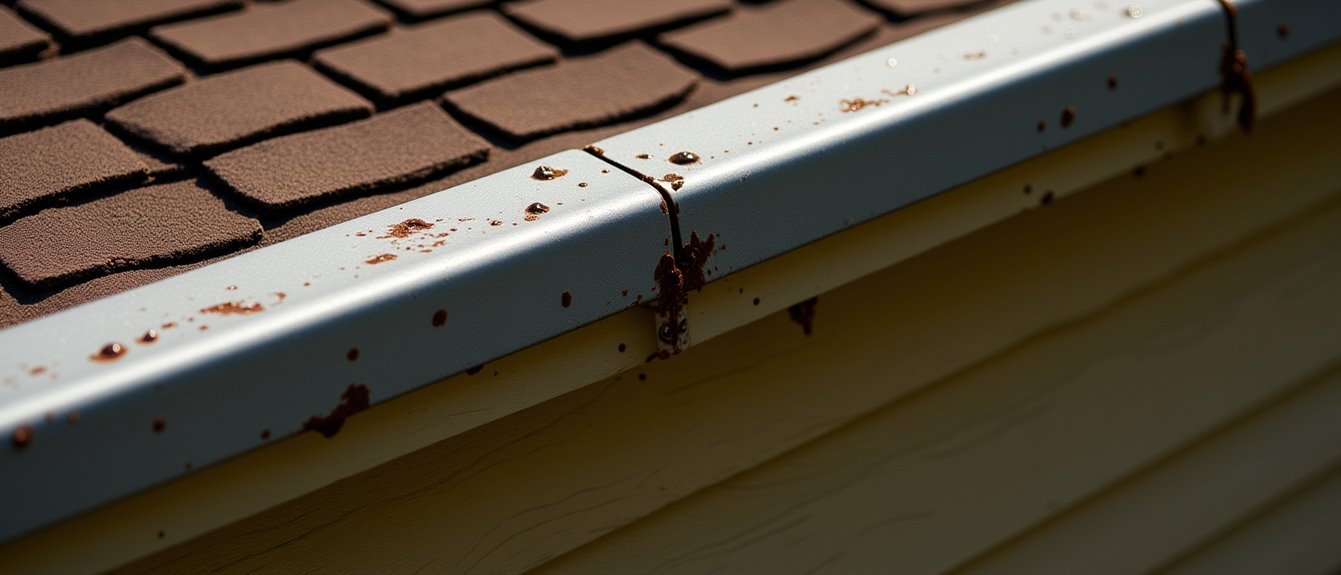
Summary: Gutter lifespan depends on material, with vinyl lasting 10 to 20 years, aluminum 20 to 30, galvanized steel 20 to 25, and copper or zinc 50 plus years. Quality installation and regular cleaning, resealing, and inspections extend gutter life, while coastal salt, trees, and extreme weather shorten it.
How long your gutters last depends on material, installation, and care: vinyl typically gives 10-20 years, aluminum 20-30, galvanized steel 20-25, copper and zinc can last 50+ years. Proper pitch, quality hangers, and seam-free runs extend life, while extreme weather, coastal salt, and overhanging trees shorten it. Clean gutters 2-4 times yearly, reseal periodically, and watch for sagging or leaks. Keep this in mind and you’ll find practical tips to maximize lifespan.
Highlights
- Typical gutter lifespans vary by material: vinyl 10-20, aluminum 20-30, galvanized steel 20-25, zinc ~50, copper 50+ years.
- Installation quality and proper pitch significantly extend gutter life and prevent sagging and leaks.
- Regular maintenance, cleaning 2-4 times yearly and periodic inspections, prevents clogs and premature failure.
- Climate, coastal salt, tree cover, and temperature swings accelerate wear and corrosion.
- Replace gutters when you see persistent leaks, sagging, rust, or water stains on walls or ceilings.
How Long Do Gutters Last? Quick Answer
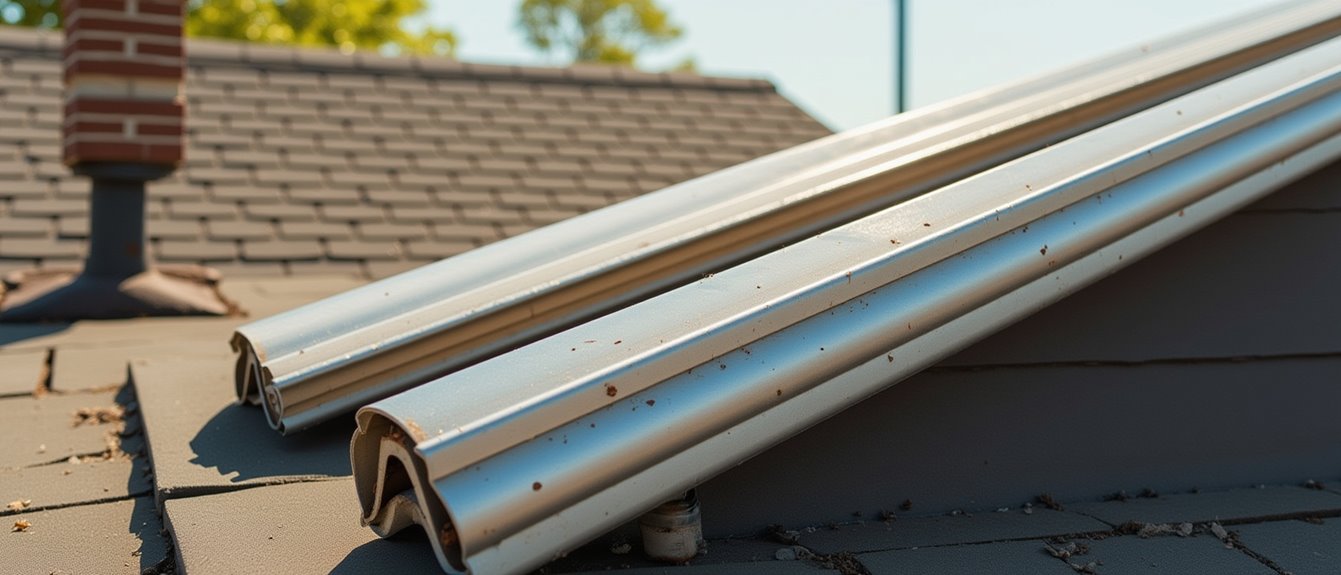
How long do gutters last? You’ll typically see a range: vinyl gutters often last 10 to 15 years, aluminum gutters about 20 to 30 years, and copper gutters can exceed 50 years with care.
Gutter lifespan depends on gutter materials, proper installation, and routine maintenance and cleaning. You’ll extend service life by removing debris, checking for loose seams, and addressing early signs of damage like sagging, leaks, or rust. Custom-fit seamless gutters provide optimal protection, which can significantly enhance longevity.
Thicker material and quality installation reduce failures; poor installation accelerates wear. If you notice repeated leaks, persistent corrosion, or widespread sagging, it’s time to replace your gutters rather than patch them.
Assess materials, upkeep habits, and installation before deciding to replace your gutters.
Gutter Lifespan by Material: Aluminum, Copper, Vinyl, Steel, Zinc
You’ve seen the general lifespan ranges; now let’s look at how material choice shapes longevity.
For gutter lifespan, aluminum gutters offer 20-30 years: they’re lightweight, rust-resistant, and low-maintenance, though less durable against heavy impacts.
Copper gutters last over 50 years, developing a patina; they’re highly durable but need periodic maintenance if you want to preserve appearance.
Vinyl gutters endure 10-20 years and can become brittle in extreme temperatures, increasing the risk of cracking and water damage.
Galvanized steel performs about 20-25 years; it’s strong but prone to rust if the protective coating fails.
Zinc gutters can reach around 50 years, combining corrosion resistance and long-term durability.
Additionally, choosing the right materials can enhance protection from water damage, ensuring your home remains safe from potential issues.
Choose based on budget, climate, and maintenance tolerance.
How Installation Quality Affects Gutter Lifespan
When gutters are installed correctly, they’ll outlast poorly fitted systems by years because proper alignment, secure fastenings, and the right materials prevent sagging, leaks, and premature corrosion.
You’ll notice that professional gutter installation improves the gutter lifespan: experienced contractors follow pitch guidelines, secure hangers correctly, and size downspouts to avoid drainage issues.
Choosing high-quality materials and thicker aluminum gauges (.032 over .027) reduces flexing and corrosion, while seamless gutters cut leak points and debris buildup.
DIY options can work if you’re skilled, but improper fastening or misaligned sections often causes sagging and early failure.
Consult experienced contractors for inspections or installs to maximize the longevity of the gutter system; smart choices at installation yield far fewer repairs and replacements. Additionally, utilizing professional services ensures that all aspects of installation, such as drainage checks and leaf guards, are properly addressed.
Climate and Site Factors That Change Expected Life
Installation quality sets the baseline for how long gutters last, but the environment where they're installed often dictates how quickly you'll need repairs or replacements. You should assess climate factors and site factors: extreme weather conditions increase wear and tear, salt air causes accelerated corrosion, and wide temperature swings make materials such as vinyl brittle. Improper drainage and heavy tree cover add debris and stress, reducing life unless you act. Even materials like copper resist corrosion better, but nothing's immune to bad siting. Below is a concise comparison to guide expectations.
Additionally, ensuring proper alignment and slope for effective drainage can significantly extend the lifespan of your downspouts and gutters.
| Factor | Impact | Typical Outcome |
|---|---|---|
| Heavy rain/snow | Increased wear and tear | Faster deterioration |
| Coastal salt | Accelerated corrosion | Metal failure risk |
| Trees | Debris buildup | Clogging, weight stress |
| Temperature swings | Material brittleness | Cracking, leaks |
Maintenance That Extends Gutter Life: Cleaning, Sealant, Guards
Keep gutters clear and check them regularly, doing so is the single most effective way to extend their life. You should schedule cleaning two to four times a year to remove debris buildup, especially if trees surround your home.
Regular inspections catch small issues early; timely repairs prevent minor problems from shortening the lifespan of gutters.
Apply gutter sealant every 5 to 10 years where seams or end caps show wear to maintain integrity and prevent leaks.
Consider installing gutter guard systems to filter leaves and reduce cleaning frequency; they don't eliminate maintenance but can significantly prolong service life.
With consistent cleaning, inspections, repairs, periodic sealant, and sensible guards, you can help aluminum gutters reach the common 20-30 year expectancy. Additionally, professional gutter cleaning services ensure thorough debris removal and prevent costly water damage.
Signs Gutters Need Replacement (Leaks, Sagging, Rust)
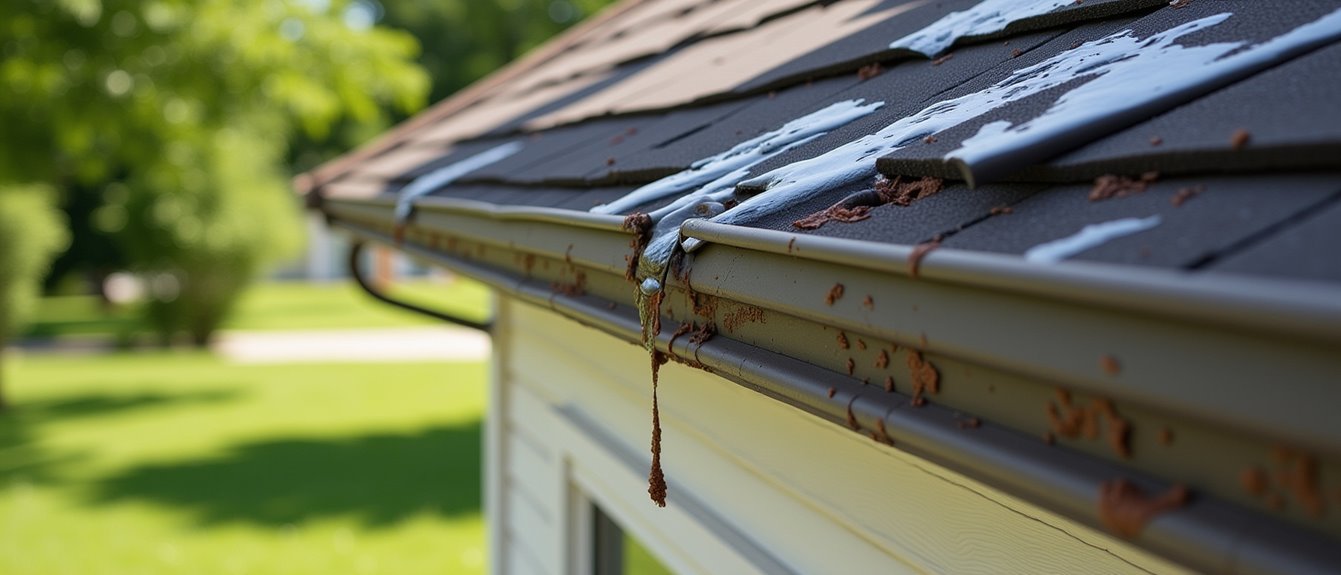
If you spot leaks, sagging, or rust, your gutters are sending a clear signal that replacement may be due.
You’ll notice visible indicators: leaks, cracks, or holes that let water escape and cause damage to fascia and siding.
Sagging sections show the system can’t channel water properly and often point to structural failure or poor installation.
Rust and corrosion on metal gutters are signs of irreversible deterioration.
- Check for visible leaks and frequent overflow during storms, these indicators can lead to foundation and landscape damage.
- Inspect for sagging or detached runs; age and long-term stress often cause this structural decline.
- Look for rust, chipping paint, and pervasive corrosion, these confirm replacement is the prudent choice.
Gutter Repair vs Replacement: Cost, Timing, When to Choose
When you’re weighing gutter repair versus replacement, consider both current damage and long-term cost: repairs run from about $119, $400 and can patch leaks or reattach sagging sections, but repeated fixes or widespread rust usually mean replacement, averaging around $1,900, will be more economical over time and restore reliable performance.
You should inspect signs that indicate whether to repair or replace: visible damage, frequent repairs, cracked seams, or pervasive rust point toward full gutter replacement.
Factor timing for gutter replacement, typically every 10-15 years, alongside the lifespan of gutters and your maintenance history. If the system is relatively young and damage is isolated, targeted gutter repair preserves value.
For older, failing systems, professional installation of new gutters reduces future issues and supports proper gutter maintenance.
Gutter DIY or Hire a Pro? Risks, Savings, and Checklist
Thinking about tackling gutter work yourself or hiring a pro? You’ll weigh savings against risk: DIY projects cut labor costs but can cause improper drainage, cracks, or detachment that raise maintenance costs and invite water damage.
Professional installation brings expertise, warranties, and peace of mind through a thorough inspection and correct pitch, downspout placement, and secure fastening.
- Assess: consider your skill, tools, and the scope, simple cleaning vs full gutter installation.
- Cost: compare DIY material/tool costs to professional installation estimates ($900, $7,000) and potential future homeowner repairs from mistakes.
- Decision: choose pro for complex runs, old fascia, or high risk of water damage; choose DIY only if you’re confident in competence and safety.
Make the choice methodically to protect your home.
Frequently Asked Questions
How Often Should I Replace Gutters?
You should replace gutters roughly every 10-15 years for common materials, sooner if you see rust, cracks, sagging, frequent leaks or overflow; high-quality metals can last longer, so inspect regularly and act when problems persist.
How Do I Know if My Gutters Need to Be Replaced?
You’ll know when gutters need replacing: look for cracks, rust, sagging, leaks, overflowing during rains, paint chipping, or frequent clogs; inspect methodically every 10-15 years and replace if structural damage or persistent drainage failures appear.
What Is the Average Price of Having Your Gutters Cleaned?
You’ll typically pay about $119 to $400 for professional gutter cleaning, depending on your home’s size, location, and debris level. You’ll schedule cleanings two to four times yearly, more if trees surround your roof.
Should I Replace 20 Year Old Gutters?
A neighbor replaced 20-year-old aluminum gutters after leaks; you should, too, if you see rust, cracks, sagging, or frequent repairs. Inspect material and performance; replacing can prevent water damage and save long-term costs.