
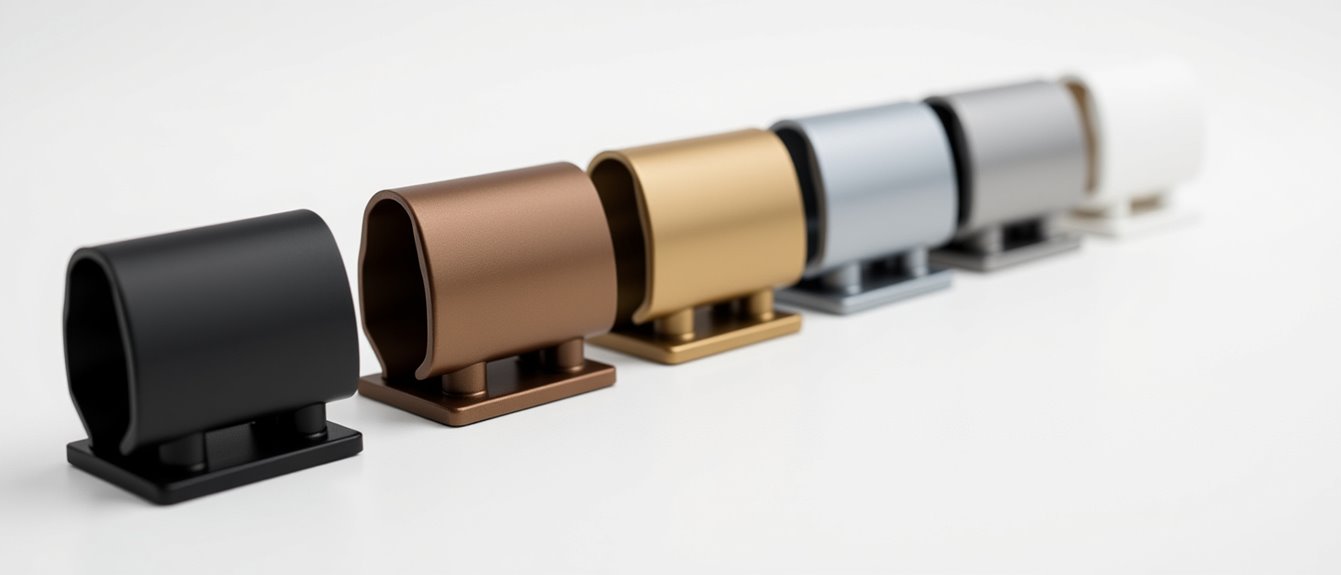
Summary: Choosing the right gutter end cap means matching material and profile to your gutter system, whether aluminum, copper, steel, or vinyl, and confirming correct sizing for a watertight seal. Regular inspection and proper installation with sealant and fasteners keep end caps leak free and long lasting.
You’ll want durable, correctly sized end caps that match your gutter material and profile to stop leaks and block debris. Choose aluminum for rust resistance and value, copper for longevity and curb appeal, steel for heavy‑duty strength, and vinyl for a budget, easy‑install option. Confirm K‑style or half‑round fit, measure width and depth, and pick snap‑on or screw‑on designs with exterior sealant. Keep annual inspections and testing in mind, and continue below to get specific top picks and installation tips.
Highlights
- Choose end caps matching gutter material and profile (aluminum, copper, steel, or vinyl; K-style or half-round).
- Prioritize durable materials for your climate: aluminum for rust resistance, copper for longevity, steel for strength, vinyl for cost.
- Prefer snap-on/crimp-on caps for quick installs; expect screws, rivets, and sealant for custom-fit options.
- Ensure correct sizing (width/depth: 5-8 inches) and a watertight seal to prevent leaks and block debris.
- Inspect annually, test with water flow after installation, and reinforce or replace caps at first signs of gaps or corrosion.
How to Choose a Gutter End Cap (Key Criteria)
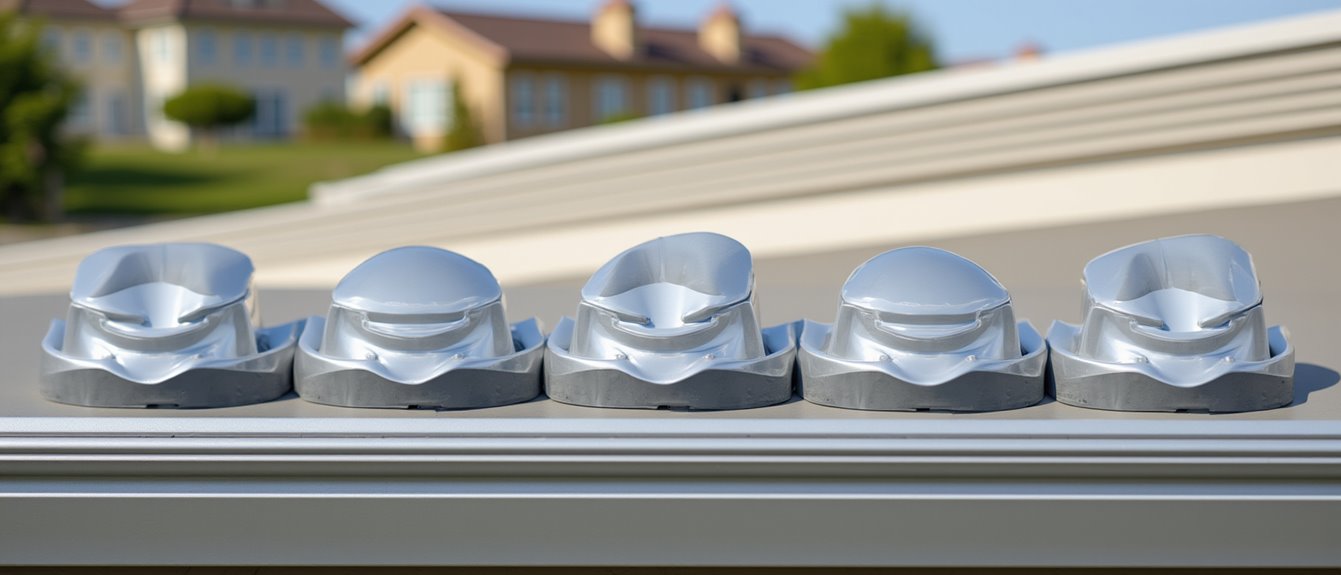
When choosing a gutter end cap, start by matching the cap to your gutter’s material and profile, aluminum caps for aluminum gutters, copper for copper, and a K-style cap for K-style gutters, so you avoid corrosion and mismatched fits.
You’ll check material compatibility first, confirming metal type and finish to maintain appearance and prevent electrochemical reactions.
Size matters: measure gutter width and depth, match the cap to standard sizes (5, 6, 7, 8 inches), and verify style compatibility for K-style or half-round profiles.
Prioritize quality and durability by selecting thicker gauges, corrosion-resistant coatings, or UV-stable vinyl.
Finally, consider installation ease, snap-on or press-fit options speed the job, while custom-fit caps need more care but deliver a watertight seal. Additionally, choosing custom-fit seamless gutters will ensure optimal protection and prevent issues like foundation washouts.
Best Gutter End Caps: Quick Comparison
Pick the right end cap by matching material, size, and installation style to your gutter system, aluminum, copper, steel, and vinyl each offer different longevity and looks, while 5, 6, 7, and 8-inch sizes fit standard K-style profiles.
For quick comparison, prioritize material vs. budget: copper and steel score high for durability, aluminum balances cost and corrosion resistance, vinyl is cheapest but less robust. Match size exactly to avoid gaps.
Consider installation: crimp-on K-style caps install fast without fasteners; other types need screws or rivets and a sealant. Evaluate weather resistance to prevent leaks and water damage. Additionally, choosing quality end caps can aid in preventing costly water damage, ensuring your gutters function effectively.
Finally, pick a finish that blends with your trim so your gutter end caps protect and complement your home.
For expert advice on selecting and installing gutter end caps, reach out to Newport Beach Gutters or call (949) 213-3332 to speak with a local professional who can help you find the right fit for your home.
| Material | Durability | Maintenance | Best For |
|---|---|---|---|
| Aluminum | Rust resistant | Low | Value and easy install |
| Copper | Exceeds 50 years | Low | Curb appeal and longevity |
| Steel | Heavy duty strength | Occasional rust check | Harsh climates |
| Vinyl | Least robust | Low | Budget installs |
Aluminum K‑Style End Caps: Pros, Uses, Cost
If you want a balance of durability, low maintenance, and value, aluminum K‑Style end caps are a smart choice for most residential gutters.
You’ll appreciate that aluminum end caps are lightweight, rust-resistant, and suited to varied weather, so they last without frequent upkeep. They fit seamlessly into K‑Style profiles, sealing ends to prevent water leakage and block debris.
Sizes usually range from 5 to 8 inches, so you can select a proper fit for functionality. Installation is straightforward: a crimp-on method often suffices, requiring minimal tools and reducing labor time when you follow proper installation steps.
Cost-effective compared with other materials, these caps help prevent water damage while delivering a clean finished look. Additionally, they are part of a comprehensive system designed to protect roof, siding, and foundation from water damage.
Copper End Caps: Longevity & Aesthetics
Copper end caps offer a durable, low‑maintenance finishing touch that can outlast most other materials by decades, often exceeding 50 years with minimal degradation.
You’ll appreciate copper end caps for their exceptional durability and natural resistance to rust and corrosion, which keeps joints watertight through harsh weather.
Installation is straightforward: with basic tools you can secure a tight fit that minimizes leaks and sits flush with K‑style or half‑round gutters.
Over time copper develops a protective patina that enhances aesthetic appeal, giving your home a distinctive, upscale look without extra coatings.
Because they’re compatible with various gutter profiles and require little upkeep, copper end caps represent a practical, long‑term investment if you want lasting performance and refined appearance.
Vinyl & Steel End Caps: Budget and Heavy‑Duty Picks
While vinyl end caps keep costs and upkeep low, steel end caps give you the heavy-duty strength needed in harsh climates. So choosing between them comes down to budget and local conditions.
You’ll pick vinyl end caps if you want a rustproof, lightweight option with a simple installation process, snap-on fittings cut time and tools. Choose steel end caps when you need impact resistance and longevity; they demand screws or rivets and occasional rust prevention.
Inspect either type regularly for cracks, gaps, or corrosion to avoid leaks.
- Vinyl: low cost, low maintenance
- Steel: strong, more maintenance
- Installation process: snap-on vs. fastened
- Inspect annually, reinforce as needed
Match choice to climate, budget, and maintenance willingness.
Match End Caps to Gutter Style, Size, and Profile
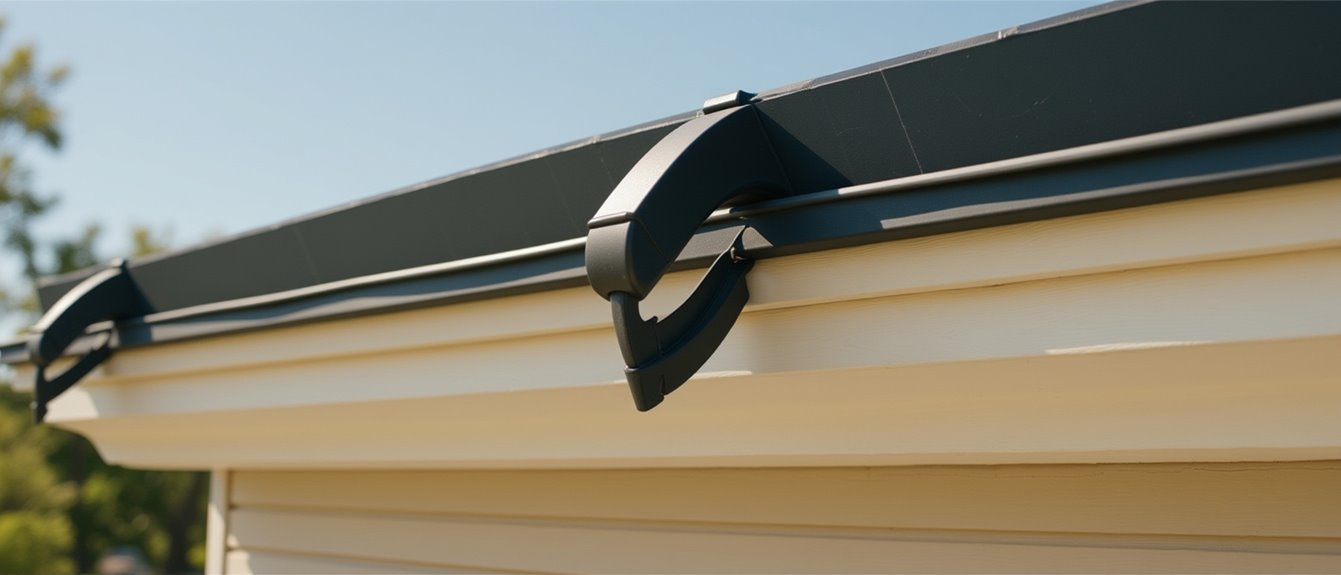
Because gutters come in distinct styles and dimensions, you’ll want end caps that exactly match your system’s profile and size to ensure a watertight seal and a finished look.
You should identify whether you have K‑style, half‑round, or a custom profile, then measure width and depth, most caps range from 5 to 8 inches.
If you are looking for a trusted gutter installation in Newport Beach, working with a local specialist ensures your end caps and gutter profiles are matched correctly for long-term performance.
Choosing end caps designed to fit that profile helps the gutter system function properly and prevents leaks and downstream damage.
Manufacturers make dedicated caps for each style and size so you can match your gutter system precisely; for unusual profiles, consider custom‑made caps.
Prioritize caps that align with material (vinyl, aluminum, steel) and profile contours so installation is straightforward and performance is reliable. Additionally, using durable materials ensures your end caps withstand coastal conditions and extend the life of your gutter system.
Install & Seal Gutter End Caps: Step‑by‑Step Tips
Before you attach end caps, measure each gutter end precisely and dry-fit the cap so you know where to trim and fasten for a snug, watertight fit.
Next, apply a bead of high-quality waterproof sealant inside the cap lip to create a leak-proof barrier. Trim any excess for a precise fit, then position the cap and secure the end caps with screws or rivets, driving fasteners evenly to avoid deformation.
- Measure twice, cut once: confirm dimensions before trimming.
- Use waterproof sealant rated for exterior use and temperature fluctuations.
- Fasten with stainless screws or rivets to resist corrosion.
- Inspect seals and fasteners periodically for wear.
Finish by testing with water flow and reapply sealant if you spot leaks. Additionally, ensure that the downspouts are properly aligned with the gutter system for optimal water drainage efficiency.
Frequently Asked Questions
Which Gutter Covers Are Best?
Mesh or solid covers are best depending on needs: you’ll choose mesh for superior debris blocking and airflow, foam for fine-particle filtering, or solid aluminum/vinyl for durability and aesthetics, pick compatibility, warranty, and proper installation.
Are End Caps Necessary for All Gutters?
Yes, you need end caps on all open gutter ends to seal joints, prevent leaks, stop debris entry, and maintain drainage; without them you’ll risk water damage, corrosion, and increased maintenance over time.
What Are the Different Types of End Caps?
You’ll encounter aluminum, copper, steel, and vinyl end caps, each matching K-style or half-round gutters; aluminum’s lightweight, copper’s patina, steel’s strength, and vinyl’s affordability suit different budgets, aesthetics, and maintenance preferences.
What Are the Best Gutter Guards Consumer Reports?
Smartly sorted: Consumer Reports cites LeafFilter, Gutterglove, and Amerimax as top picks; you’ll get proven protection, reduced cleaning, weather-resistant materials, and adaptable designs, so you’ll choose durable, low-maintenance guards confidently.