
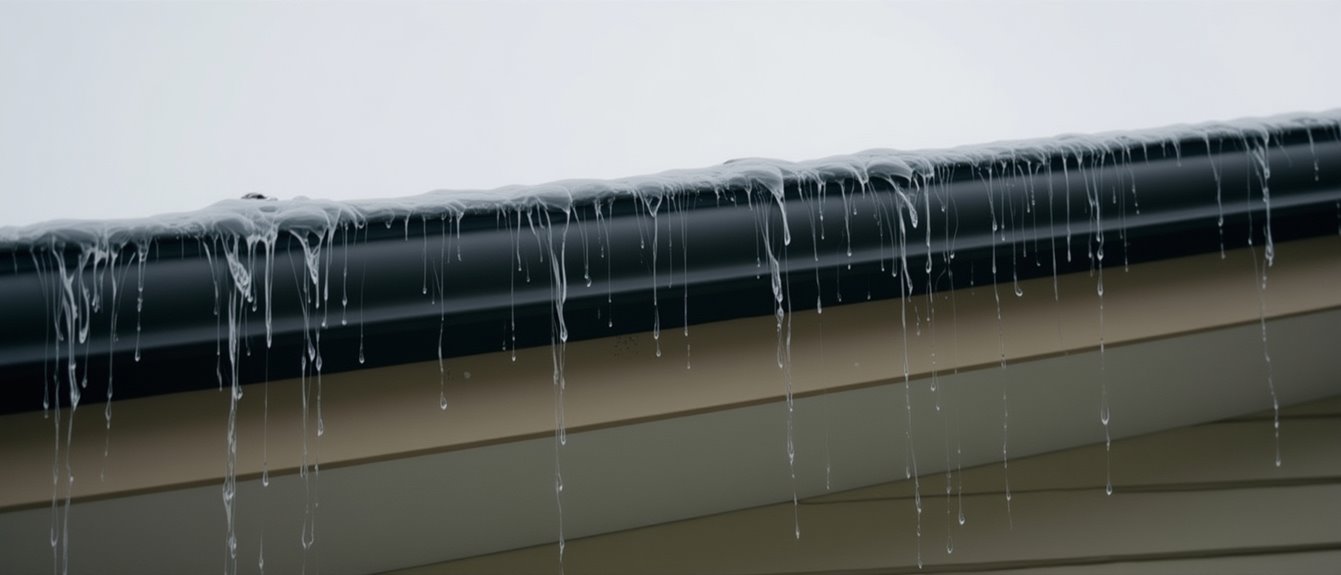
Summary: Gutters protect homes by channeling roof runoff away from foundations, siding, and landscaping, reducing erosion, basement flooding, mold, and structural damage. Whether you need them depends on climate, roof pitch, and site conditions, so regular maintenance and proper installation keep them working effectively.
Gutters keep roof runoff from pooling around your home by catching and channeling rainwater through downspouts away from foundations, basements, siding and landscaping. They stop soil erosion on slopes, prevent moisture intrusion behind siding and doors, and reduce basement flood and foundation-crack risks. Properly pitched, clean gutters also protect fascia and roof edges from rot. You’ll learn how climate, roof pitch, materials and maintenance determine when gutters are essential and which upgrades work best.
Highlights
- Capture and channel rainwater away from the roof and foundation to prevent pooling and water damage.
- Prevent soil erosion and landscape washouts by directing concentrated runoff to safe drainage areas.
- Reduce foundation cracking, basement flooding, and moisture intrusion into walls and crawlspaces.
- Protect siding, windows, doors, and fascia from staining, rot, and premature deterioration.
- Improve roof longevity by preventing concentrated water flow and removing debris with proper maintenance.
Do You Need Gutters? A Quick Decision Guide

Wondering whether you need gutters? You’ll want them if your area sees moderate to heavy rainfall, since gutters channeling water away prevent water damage to siding and rooflines.
If your roof has a large surface area or steep pitch, gutters become necessary to protect your foundation and maintain structural integrity by directing concentrated runoff away. On sloped lots or clay-heavy soil, gutters help prevent erosion and protect the soil around your foundation from shifting.
Even where gutters aren’t legally required, local codes often require directing water away from the house, so installing gutters helps you comply and protect your home. Additionally, seamless aluminum runs are effective in preventing foundation washouts and ensuring long-term durability.
In dry climates or with wide overhangs, evaluate conditions first to confirm whether gutters are truly necessary.
| Factor | High Risk | Gutters Needed |
|---|---|---|
| Climate | Moderate to heavy rainfall | Yes |
| Roof | Large surface or steep pitch | Yes |
| Site | Slopes or clay-heavy soil | Yes |
| Climate | Arid, dry weather | Optional |
| Roof | Wide overhangs | Optional |
How Gutters Work: Directing Roof Water Away
When rain hits your roof, gutters catch the flow and channel it through downspouts so water travels safely away from your foundation. You rely on gutters to collect rainwater and control water runoff, routing it to safe discharge points so you can protect your property.
Proper slope and downspout placement create effective drainage that will prevent water pooling near the house and reduce the risk of foundation damage. By directing water away from siding, windows, and doors, gutters also limit moisture intrusion and surface staining.
They minimize soil erosion by concentrating flow to designated areas, which preserves landscaping and grade. When maintained, a gutter system helps prevent basement flooding by keeping excess rainwater away from vulnerable foundation seams. Regular gutter cleaning is essential to ensure optimal performance and protect your home from water damage.
How Gutters Protect Foundations and Basements
Because gutters direct rainwater away from your home, they keep soil from saturating around the foundation and prevent the pooling that causes cracks and structural movement.
When gutters protect the foundation by keeping water flow properly directed away, you reduce water buildup that leads to structural damage and expensive repairs. That same diversion cuts the risk of basement flooding by routing runoff beyond the foundation line, keeping basements drier and safer.
Properly functioning gutters also minimize moisture that encourages mold growth, protecting indoor air quality and health. Regular inspection and cleaning are essential: maintaining your home’s gutters prevents clogs, sustains correct water flow, and ensures these systems continue to prevent water damage and preserve long-term foundation stability. Additionally, our gutter repair services are specifically tailored for heavy coastal rain and wind, enhancing your home’s protection.
If you are looking for a trusted gutter company in Newport Beach, choosing a local expert familiar with coastal soil conditions and rainfall patterns makes a real difference in how well your system performs over time.
How Gutters Prevent Siding, Fascia, and Roof Damage
If you keep gutters clear and working, they’ll stop rain from cascading down your siding and soaking the fascia and roof edges, which prevents rot, mold, and premature material failure.
Gutters prevent excess moisture by channeling water away, so you avoid damage to siding and can prevent mold growth on exterior surfaces. By directing flow off the roof, they prevent water pooling on shingles and along fascia boards, helping extend the lifespan of roofing materials. Proper gutter maintenance, cleaning debris, checking fasteners, and ensuring downspouts are clear, keeps excessive water runoff from undermining your home. That also reduces the risk of foundation issues tied to uncontrolled runoff, protecting the foundation while minimizing costly repairs to siding, fascia, and roof assemblies. Additionally, ensuring proper drainage solutions helps direct rainwater effectively, further safeguarding your home from water-related damage.
How Gutters Preserve Landscaping and Stop Erosion
Beyond protecting your home’s siding and roof, gutters play a direct role in safeguarding your yard by channeling rainwater where it won’t wash away soil or drown plants.
You rely on gutters to control runoff so landscaping stays intact and plants thrive. They prevent concentrated flows that cause erosion, displace mulch, and degrade soil near beds and the foundation.
Properly routed water reduces puddles that stress roots and invite ongoing maintenance.
- Direct runoff to safe outlets to protect soil and beds.
- Reduce erosion near foundation, lowering landscaping repair needs.
- Maintain even moisture for healthier plants and less upkeep.
Install, inspect, and clear gutters regularly to prevent failures that undermine landscaping and cost you time and money.
When you are ready to schedule an inspection or get a free estimate, the team at Newport Beach Gutters is here to help. Call (949) 213-3332 to speak with a local gutter specialist today.
How Gutters Lower Mold, Mildew, and Indoor Moisture Risk

When you keep gutters clean and properly pitched, they channel rainwater away from your foundation so moisture won't pool in basements or crawl spaces where mold and mildew take hold.
Gutters help prevent water accumulation that raises indoor moisture levels and fuels mold and mildew growth. By directing runoff off your home from water-sensitive areas, you’re preventing water damage to structural materials and interior finishes.
Regular maintenance, clearing debris, checking pitch, and repairing leaks, keeps efficiency water flow high and lowers the chance of leaks that invite mold. Additionally, installing leaf guards can further enhance the functionality of your gutters by reducing the buildup of debris.
Consistent gutter performance also helps reduce airborne mold spores, protecting your home's occupants and limiting health risks.
Treating gutter upkeep as part of protecting your homes reduces the likelihood of significant water damage.
When Gutters Are Essential: Climate, Roof, and Site Factors
Keeping gutters in good repair helps curb indoor moisture, but whether you absolutely need them depends on where your home sits and how it's built. In many climates, gutters are necessary to prevent water from pooling against foundations and to avoid water damage.
Consider this short checklist of high-risk conditions:
- Climate: moderate to heavy rainfall or snowfall increases runoff; local codes often require Directing Water Away from foundations.
- Roof: large surface areas or steep pitches funnel excessive water quickly, so gutters manage flow and reduce splashback.
- Site factors: homes on slopes, in valleys, or on clay-heavy soil retain moisture; without drainage, the foundation can lead to settlement and damage over time.
If you see any of these, install and maintain gutters to protect the structure.
When Gutters Might Be Optional : Safe Alternatives
Think of your roof and site as the first line of defense: if you’ve got deep eaves, arid weather, or fast-draining sandy soil, you may be able to manage runoff without traditional gutters.
You can choose alternatives when conditions allow: wide overhangs that shed water clear of the home’s foundation, well-graded landscaping that directs flow away, or rain chains that guide water in a decorative manner.
In arid climates or on sandy lots, pooling is unlikely, so skipping gutter installation can be reasonable if other drainage solutions are in place.
If you do collect rainwater, use properly installed barrels or diverters to avoid overflow.
Always confirm local building codes before substituting, and weigh flood risk and potential water damage carefully.
Common Gutter Problems and Warning Signs to Watch For
How would you know your gutters are failing before the damage shows up inside your home? Watch for clear warning signs: visible rust or corrosion, sagging sections, and water spilling over during storms.
A gutter system is essential to divert rain; clogged gutters cause overflow that can harm siding and the foundation of your home, leading to expensive fixes. Regular inspections let you spot cracks and holes, persistent clogs, and structural weakness early so you can act to prevent costly repairs.
Look for water pooling near the foundation, soil erosion, or plant damage. Prioritize proper gutter maintenance and address these warning signs promptly.
- Clogged gutters -> overflow and siding/foundation harm.
- Sagging -> poor flow, water pooling.
- Rust/cracks and holes -> leaks.
Maintenance, Upgrades, and How to Choose or Replace Gutters
Routine maintenance and smart upgrades keep your gutters protecting your home effectively, so aim to inspect and clean them at least twice a year and after major storms.
You should remove debris, check for sagging, and test downspouts to ensure they function; regular maintenance prevents clogs that cause overflow and water damage.
Consider upgrading to seamless gutters to reduce leaks and improve efficiency.
When replacing, choose materials like aluminum or copper for durability and aesthetic appeal.
Proper gutter installation includes the correct pitch to promote drainage and prevent ice buildup in cold climates.
Consult a professional gutter installer to assess roof slope, local weather, and attachment methods so your new system performs reliably and lasts longer.
Frequently Asked Questions
What Is the Point of Having Gutters on Your House?
Like a shield, gutters protect your home by channeling roof water away from foundations, siding, and landscaping. You’ll prevent erosion, mold, and structural damage, extend roof life, and avoid costly repairs with proper maintenance.
What Is the Downside of Gutter Guards?
They can still clog, create a false sense of security, and cause overflow or water damage if installed incorrectly or during heavy rain; you’ll sometimes face high upfront costs and ongoing monitoring despite reduced maintenance.
What Is the Average Cost of Having Gutters Cleaned?
You’ll typically pay about $75 to $200 to have gutters cleaned, or roughly $0.50 to $2.00 per linear foot; expect extra charges $50, $150 for downspouts or guards and higher rates during peak seasons.
What Happens to a House With No Gutters?
Like a leaking umbrella, your house will suffer: water pools at the foundation, causing cracks and basement floods, soil erosion, siding and window damage, mold and rot, and in cold climates ice dams that worsen leaks and structural harm.