
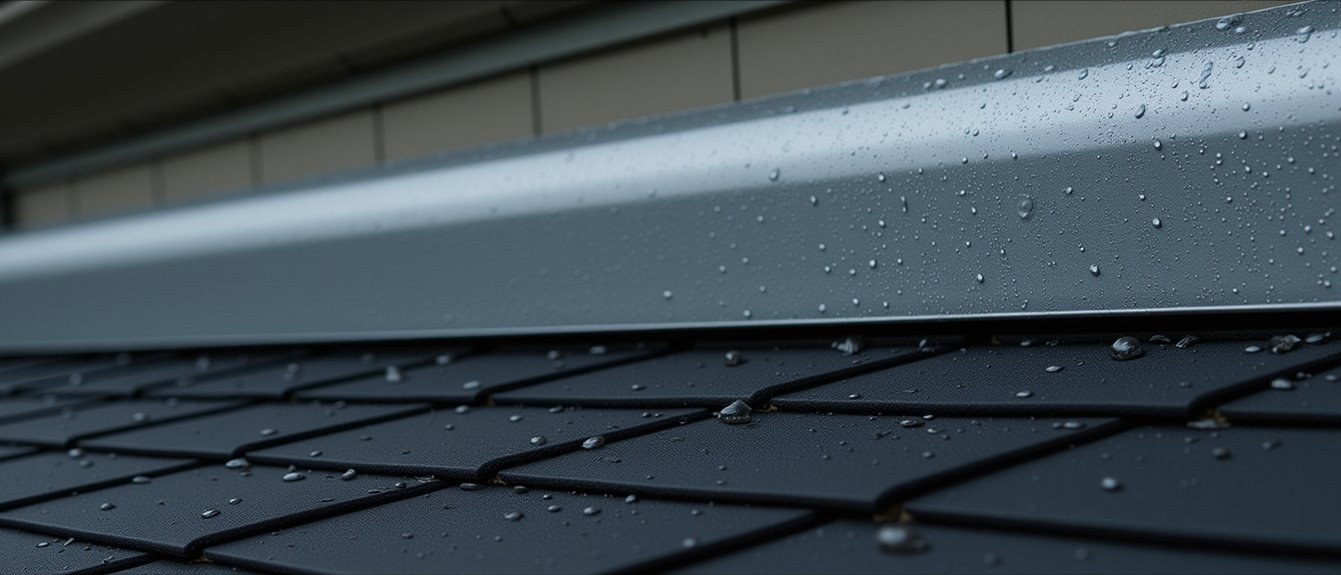
Summary: Gutter flashing is a thin metal strip installed at the roofline that directs water into gutters and prevents it from seeping behind them, protecting fascia, decking, and attics from rot and mold. Inspect it regularly, repair issues promptly, and choose the right type for your roof to avoid costly structural damage.
Gutter flashing is a thin metal strip you install at the roofline to force runoff into gutters and stop water from slipping behind them. It seals vulnerable joints where shingles meet gutters, protecting decking, fascia, and attic spaces from rot, stains, and mold. Types like drip edge, apron, step, and continuous flashing suit different roof details. Inspect it seasonally for gaps, corrosion, or misalignment; keep it repaired to avoid costly structural damage, and learn how to assess and fix problems yourself.
Highlights
- Gutter flashing is a thin metal strip installed at the roofline to direct water from shingles into gutters and prevent backflow.
- It prevents water from seeping behind gutters, protecting fascia, soffits, roof decking, and structural members from moisture damage.
- Common types include drip edge, gutter apron, step, continuous, and standard flashing for different roof shapes and junctions.
- Regular inspection and maintenance prevent corrosion, gaps, and misalignment that can cause leaks and hidden interior damage.
- Proper flashing installation and gutter alignment reduce repair costs and extend the lifespan of roofing and drainage systems.
What Is Gutter Flashing and How It Works
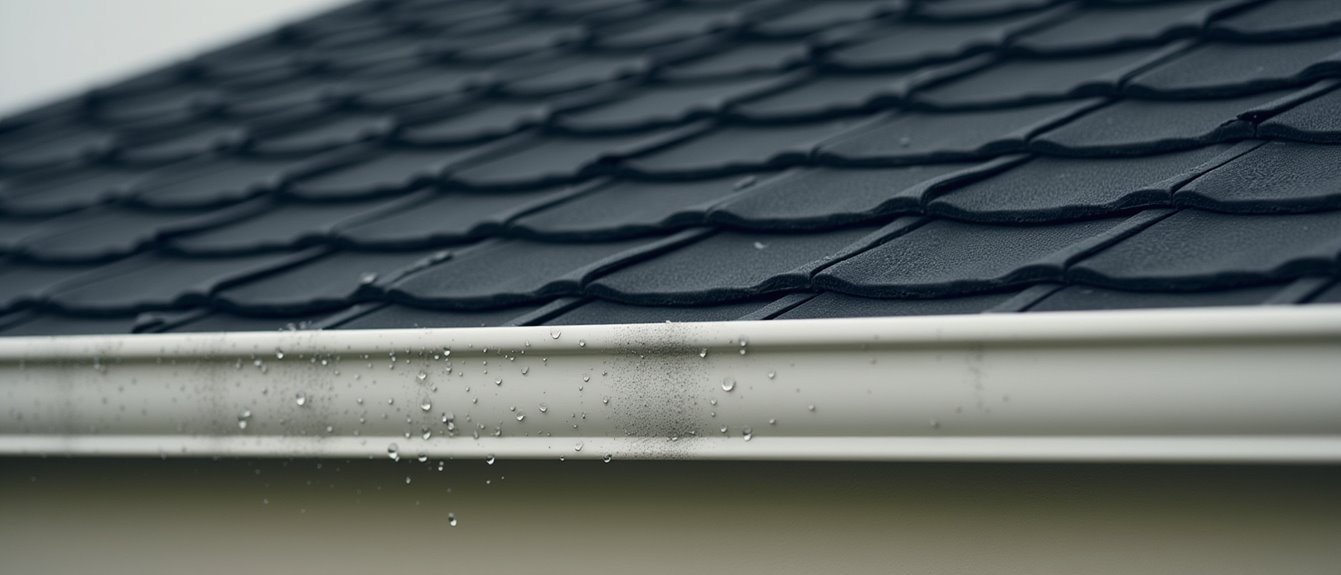
Gutter flashing is a thin metal strip, usually aluminum or galvanized steel, installed along the roofline where shingles meet the gutters to channel water into the trough and keep it from slipping behind the gutter.
You’ll learn that a gutter flashing system consists of components like drip edge flashing and gutter aprons; each directs water flows cleanly into gutters and away from fascia and soffit.
When you install proper flashing, you create a continuous barrier that controls runoff at the roof edge, reducing moisture exposure to roof components. Additionally, using high-quality materials like seamless aluminum ensures durability and performance over time.
Choose material by lifespan and budget, aluminum lasts about 20-30 years, copper far longer, and follow manufacturer guidelines for overlap, fastening, and shingle integration so the system performs reliably.
Why Gutter Flashing Prevents Water Damage
Because roof edges are a prime entry point for runoff, properly installed flashing channels water directly into the gutter system so it can't slip behind and saturate fascia, soffit, or roof decking. You rely on gutter flashing to control flow, prevent moisture buildup, and protect the roof system from hidden leaks that weaken decking and trim. Regular inspections spot rust, gaps, or misalignment before they cause interior damp patches or structural decay. With correct placement and maintenance, flashing minimizes unnecessary moisture exposure, helps roofing materials last longer, and reduces costly repairs. Additionally, preventive maintenance ensures that your gutter system functions effectively during heavy rainfall periods.
| What it does | Benefit |
|---|---|
| Directs runoff | Prevents water damage |
| Seals edge | Stops leaks behind gutters |
| Protects decking | Preserves roof system |
| Reveals wear | Enables timely repair |
| Extends life | Lowers repair cost |
Common Types of Gutter Flashing (When to Use Each)
Now that you know how flashing keeps water from soaking fascia and decking, it helps to match the right type to the roof’s features and climate.
Drip Edge Flashing directs water flow into the Gutter and protects roof edges, use it on steep slopes or large overhangs.
Gutter Apron prevents water from slipping behind gutters, so choose it in heavy-rain regions.
Standard Flashing closes gaps between the roofline and Gutter for a watertight transition on most roof designs.
Step Flashing seals roof-wall intersections; it’s the go-to for dormers, chimneys, or wherever vertical walls meet sloped roofs.
Continuous Flashing is a long strip for flat or low-slope roofs, efficiently channeling water away.
Select types based on roof geometry and rainfall intensity. Additionally, consider how downspouts manage drainage to further enhance your home's waterproofing.
Signs Your Gutter Flashing Is Missing or Failing
Look for a few clear red flags that tell you flashing is missing or failing before small problems become big repairs.
You’ll notice rotting fascia where boards discolor, soften, or swell, this usually means flashing helps redirect water but isn’t doing its job.
Peeling paint or bubbling along the roofline also signals moisture intrusion from gaps at the gutter line.
Inside, dark water stains on ceilings or walls can mimic plumbing leaks but often come from water flowing behind improperly sealed gutters.
Musty odors or visible mold point to ongoing dampness tied to flashing failure.
On the roof, watch for rusted, warped, or detached metal flashing; those defects need prompt repair or replacement to prevent escalating structural damage.
Gutter Flashing Inspection Checklist
If you’ve noticed any of the warning signs, rotting fascia, peeling paint, or rusted flashing, schedule a focused gutter flashing inspection at least once or twice a year and after major storms.
During inspections, you’ll verify that flashing installation is secure, overlaps are at least two inches, and sections route water properly away from the roofline.
Look for gaps, rust, misalignment, and dark spots indicating moisture behind gutters. If wood feels soft or paint peels, plan repair or replacement.
- Check overlap and edge seating; ensure a minimum two-inch overlap.
- Inspect for gaps, corrosion, and misalignment that allow water to seep.
- Probe behind gutters for soft wood, staining, or active moisture.
Perform regular checks and document issues for timely professional intervention.
Quick DIY Fixes You Can Do Today
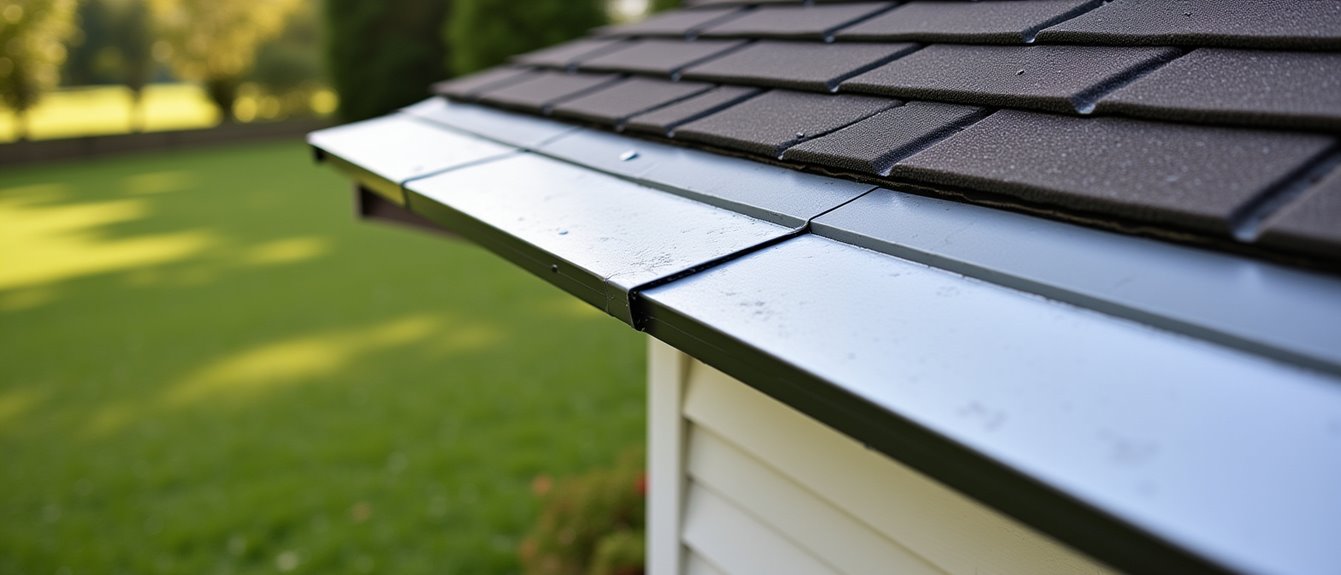
Start with a quick walk-around and you'll often repair minor flashing issues in under an hour. Inspect joints for rust or separation; remove loose rust, apply a rust-inhibiting paint, then reseal seams.
Make sure flashing keeps tucked beneath shingles and overlaps correctly so water moves off the roof into the gutter system without finding gaps. Use a caulking gun to fill small holes and gaps with a high-quality exterior sealant, smoothing beads to ensure contact.
Clean debris from gutters and downspouts before sealing so trapped moisture won't undermine repairs. If you see interior stains or persistent damp spots, recheck the flashing and surrounding shingles; these quick fixes buy time, protect your home, and help you decide if professional attention is needed. Additionally, ensuring your gutters are properly maintained can prevent issues such as water damage to your foundation.
How to Install Gutter Flashing (Step‑by‑Step)
After you've handled quick repairs, plan and install gutter flashing methodically so temporary fixes become permanent protection. Start by checking shingles; they must be sound where the flashing will tuck under the first row at the roof edge so water is directed into the gutter.
Slide flashing under shingles, letting it overhang the gutter.
- Secure flashing with roofing nails every 8-10 inches to prevent warping and leaks.
- Overlap sections by at least two inches to form a watertight seal.
- Fasten the gutter snug against the fascia with screws or spikes to stop movement.
Finish with a careful inspection for gaps or misalignment, make adjustments, and confirm consistent water diversion into the gutters. Additionally, using durable materials like commercial-grade sealants can enhance the longevity of your gutter system.
DIY Repairs vs. Professional Replacement: Costs & Decision Guide
While DIY repairs can save you money up front, you should weigh those savings against the technical risks and long‑term costs of a faulty installation.
You can buy materials for gutter flashing at roughly $7, $77 per linear foot, and DIY repairs are cost‑effective if you have steady hands and roofing experience.
However, improper sealing or misalignment can cause water intrusion, mold, and structural damage that far exceed initial savings.
Professional installation typically runs about $760 on average, with complex replacements up to $2,579, and usually includes a full inspection to catch hidden issues.
Compare your skill level, the flashing condition, and potential damage costs; choose DIY repairs only for minor, straightforward fixes and hire pros for extensive or uncertain problems.
How Flashing, Gutters, and Attic Ventilation Interact
Having weighed whether to tackle flashing repairs yourself or hire a pro, you should also consider how flashing, gutters, and attic ventilation work together to protect the whole roof assembly.
You’ll want flashing that directs water cleanly into gutters so it won’t seep behind fascia or into soffits. Adequate attic ventilation controls temperature and moisture, preventing condensation that undermines flashing performance and accelerates roof material wear.
Inspect both systems regularly to catch failures before they cause hidden damage. Key interactions to monitor:
- Flashing channels water into gutters; gaps let moisture reach structural members.
- Gutters rely on proper flashing alignment and slope to move water away effectively.
- Attic ventilation lowers humidity, reducing mold risk and preserving flashing integrity.
Address deficiencies promptly to maintain system cohesion and longevity.
Frequently Asked Questions
Is Gutter Flashing Necessary?
Like a shield for your roof, yes, you're protecting fascia, soffits, and structural wood. You should install properly fitted gutter flashing, because it prevents leaks, mold, rot, and costly repairs, especially in heavy-rain regions.
How Much Does It Cost to Replace Flashing on a House?
You’ll typically pay about $760 on average to replace house flashing, ranging roughly $242 to $2,579 depending on complexity, materials, and labor; get multiple quotes, as chimney or ridge work can raise costs significantly.
What Happens to a House With No Gutters?
Without gutters, your house will suffer: you'll get soil erosion, pooled water near the foundation, higher basement flood risk, siding and paint damage, potential foundation cracks, and ruined landscaping, raising maintenance costs and reducing structural longevity.
What Is the Purpose of Flashing Gutters?
The purpose of flashing gutters is to channel roof water into the gutter, prevent it from seeping behind fascia or into soffits, and protect roofing components from moisture damage, rot, mold, and costly structural repairs.