

Summary: Choosing the right gutter guard for 4 inch gutters means matching material (stainless micro mesh, screen, brush, or foam) to your local debris load and rainfall intensity, since each option trades cost against filtration, water flow, and maintenance frequency. Measure gutters accurately, prioritize corrosion resistant materials, and favor transferable warranties for the best long term value.
You need durable, properly sized guards that stop debris, maintain flow, and cut maintenance for 4‑inch gutters; choose stainless micro‑mesh for fine debris and storms, screen or brush for lighter leaves and DIY installs, and foam for cheap, short‑term fixes. Measure your gutter, match the profile, and prefer corrosion‑resistant materials and transferable warranties. Expect seasonal inspections and occasional cleaning. Keep choices aligned with local leaf load and rainfall intensity, more details and recommendations follow.
Highlights
- Choose stainless-steel micro-mesh for maximum debris blocking and long-term corrosion resistance on 4-inch gutters.
- For budget DIY installs, use screen or foam guards but expect more frequent cleaning and replacement.
- Consider reverse-curve designs where heavy leaves, ice dams, or severe storms are common.
- Match guard type to local debris, rainfall intensity, and gutter length for optimal flow and overflow prevention.
- Evaluate cost per linear foot, warranty transferability, and customer reviews before purchasing.
Why 4‑Inch Gutter Guards for 3.25‑Inch Gutters (Benefits & Limits)
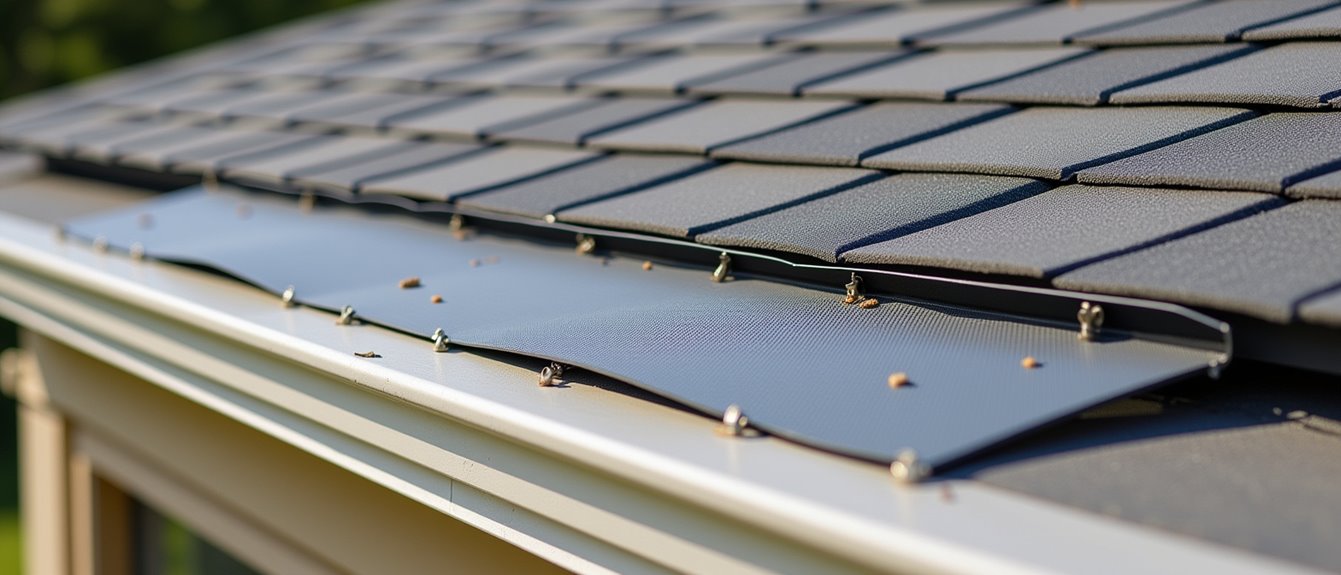
Wondering why you'd choose a 4‑inch gutter guard for a 3.25‑inch gutter? You get targeted protection: 4-inch gutter guards are sized to cover the 3.25-inch profile, reducing debris clogging while maintaining water flow via bristles that draw rainwater in and block leaves.
They fit multiple lengths, 12 ft to 120 ft, so your installation options scale to match 25-inch gutters or compact runs. As an economical solution, pricing from $49 to $319 lowers long-term gutter maintenance costs.
Benefits and limits are clear: they minimize debris accumulation and preserve flow, but individual pieces can lodge. You’ll still schedule occasional cleaning. Choose based on roof debris load and desired maintenance frequency. Additionally, using custom-fit seamless gutters can enhance the effectiveness of your gutter system, ensuring optimal protection against water damage.
How Brush Guards Work in 3.25‑Inch Gutters
When you drop a brush guard into a 3.25‑inch gutter, its dense synthetic bristles sit down into the channel and let stormwater flow through while trapping leaves and large debris on top, so water’s diverted to the downspout and solids stay out of the system. You’ll see GutterBrush accepts water quickly, reducing clogged gutters immediately. Debris nests in bristles but wind, rain, and occasional banging break it down. The installation process is straightforward; you compress sections into place, ease of installation rates high. Maintenance stays low: remove sections, bang out debris, clean troughs, reinstall. As a gutter guard option it balances water flow, low maintenance, and proven effectiveness for homeowners wanting a clean, reliable system. Additionally, using brush guards can enhance your system's performance, especially in areas prone to heavy coastal rain.
| Feature | Result |
|---|---|
| Product | GutterBrush |
| Maintenance | Low |
| Effectiveness | High |
| Installation | Easy |
| Problem | Debris |
Micro‑Mesh, Screen, or Foam : Which Is Best for 4‑Inch Gutters?
Which gutter guard fits your 4‑inch channels best depends on the tradeoffs you’ll accept: micro‑mesh delivers the highest protection against fine and coarse debris with durable metals and minimal cleaning but usually costs more and often needs pro fitting; screen guards let water flow faster at lower cost and are DIY‑friendly but can pass smaller debris; foam inserts are cheapest and simple to install inside the trough yet require frequent cleaning and periodic replacement due to lower durability. You’ll choose based on debris accumulation patterns, local climate, and maintenance tolerance.
Micro-mesh maximizes gutter protection and lowers maintenance frequency. Screen guards balance cost, water flow, and moderate cleaning. Foam guards reduce upfront cost but raise cleaning and replacement cycles.
Additionally, consider how downspouts control water flow, as effective drainage is crucial for overall gutter performance.
- Assess debris type and rainfall intensity
- Compare installation considerations
- Estimate maintenance frequency
- Evaluate water flow capacity
- Budget for replacement and repair
Which 4‑Inch Guard Suits Your Debris and Rainfall Pattern?
How much debris and how hard your rain falls determine the guard you should pick for 4‑inch gutters: heavy leaves and frequent storms favor stainless‑steel micro‑mesh or reverse‑curve designs for maximum filtration and flow control, while light leaf load and moderate rain let you get by with screen or foam options that are cheaper and easier to install.
Assess debris type and rainfall intensity first: large leaves and airborne seedpods need micro mesh guards; heavy downpours benefit from surface tension guards or reverse curve guards that channel water reliably. Additionally, consider that custom hangers can improve the installation of your gutter guards for optimal performance.
Factor local climate, stainless options resist corrosion in storm‑prone regions.
Weigh installation considerations: foam gutter guards and simple screens suit DIYers but raise maintenance needs and replacement frequency.
Choose based on debris, rain, and how often you’ll maintain the system.
Top 4‑Inch Guard Options to Consider (Brands & Types)
Start by matching guard type to your needs: stainless‑steel micro‑mesh (e.g., LeafFilter, HomeCraft, Raptor) delivers the highest filtration and corrosion resistance for heavy debris and intense storms. Low‑profile surface‑tension or reverse‑curve systems control large-volume runoff, and inexpensive foam or screen inserts (like GutterStuff or Amerimax) suit light debris and DIY installs but demand more frequent maintenance.
You’ll choose between performance and cost: micro‑mesh suits 4-inch gutters exposed to heavy leaf load and windblown debris; foam or screen inserts prioritize easy installation and budget. Consider warranties, maintenance cadence, and whether you need professional installation for optimal fit and longevity. Regular preventive maintenance is essential to ensure your gutters function properly and extend their lifespan.
Not sure which guard type is right for your home? The team at Newport Beach Gutters can assess your roof debris load, rainfall patterns, and existing gutter profile to recommend the best fit. Call (949) 213-3332 to schedule a free estimate today.
- LeafFilter: stainless mesh, 275‑micron, lifetime transferable warranty
- HomeCraft Gutter Protection: 304 marine‑grade raised mesh
- Raptor Micro‑Mesh Gutter Guard: 25‑year warranty, easy installation
- Amerimax Lock‑In Gutter Guards: DIY friendly, multiple colors
- GutterStuff Foam Gutter Guards: low cost, biannual upkeep to prevent debris buildup
DIY: Install Brush Guards (Step‑by‑Step)
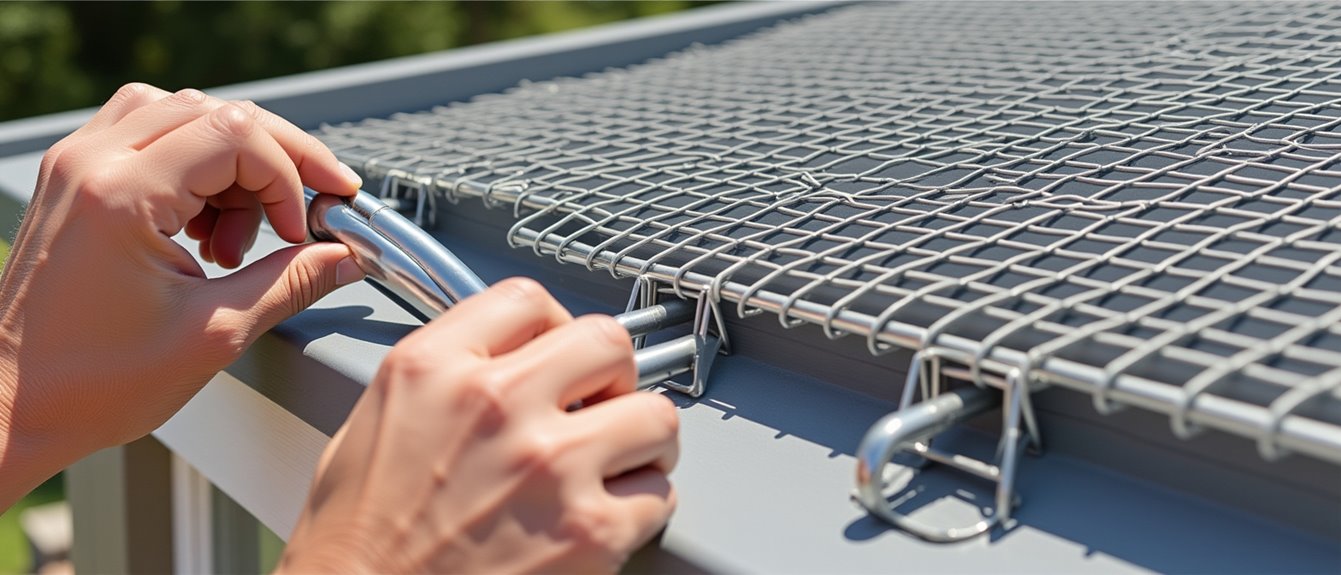
Clear the gutters first, then measure so you know how many 3‑foot GutterBrush sections you’ll need for your 4‑inch troughs.
Remove all loose material so the brush sits flush; this is the clean your gutters step and prevents immediate debris from clogging the system.
For DIY installation, work from one end, sliding 3‑foot brush gutter guards into the channel until it fills the span. No tools or fasteners are required, demonstrating the ease of use these guards offer.
Ensure sections butt tightly for continuous coverage and year-round protection.
Periodically remove sections to clear accumulated material as part of maintenance, then reinstall after you clean your gutters.
Proper sizing and seating are critical to effective install gutter guards performance in 4-inch gutters.
Maintenance and Cleaning for Brush, Mesh, and Foam Guards
Routine maintenance keeps brush, mesh, and foam gutter guards functioning and prevents backups; inspect them at least seasonally and more often if you have trees or heavy storms.
You’ll remove accumulated debris, verify water flow, and tailor cleaning frequency to your gutter guard type and local conditions.
Brush guards: pull sections, bang out debris, then clean the trough before reinstalling.
Mesh guards: clean 2-4 times yearly to avoid obstruction during heavy rainfall.
Foam guards: replace or remove and rinse at least twice a year due to faster wear and clogging.
Regular maintenance and targeted gutter cleaning will prevent clogs and extend system life.
- Assess debris type and adjust cleaning frequency
- Use a ladder safe method for inspections
- Clear troughs before reinstalling guards
- Rinse mesh and replace foam as needed
- Record dates and observations for maintenance
Performance Tradeoffs: Water Flow, Overflow, Clog Risk, and Ice Issues
When you weigh gutter guard options for 4‑inch gutters, expect tradeoffs between water throughput, overflow risk, clog susceptibility, and ice management.
Micro‑mesh designs maximize flow and keep out fine debris, larger‑pitch screens handle heavy deluge poorly and can overflow. Brush and foam reduce large‑leaf entry but still trap granules that require cleaning. Reverse‑curve styles can help mitigate ice dams by redirecting runoff away from the roof.
You’ll assess drainage efficiency versus clog risk: micro-mesh options deliver superior water flow and minimal debris accumulation but need finer maintenance to clear sediment.
In heavy rain, some screens exhibit overflow due to limited throughput. Performance variability across climates means choose gutter guards tailored to expected heavy rain, freezing cycles, and acceptable maintenance frequency to control ice issues and long-term clogging.
Cost, Warranty, and Long‑Term Value Comparison for 4‑Inch Guards
Because upfront price varies widely, from budget DIY sections around $49 for 12 ft to contractor-grade systems approaching $319 for 120 ft, you should evaluate guards on installed cost per linear foot, expected service life, and warranty terms rather than sticker price alone.
You’ll weigh affordable DIY choices against premium options: foam/brush guards lower initial cost but higher replacement frequency; micro-mesh models cost more but reduce maintenance and extend lifespan.
Lifetime transferable warranties from top brands increase long-term value and resale appeal. Treat gutter guards as an investment: lower maintenance frequency and durable materials can offset higher upfront cost.
- Compare installed cost per linear foot, not just section price
- Check warranty scope and transferability
- Quantify expected maintenance savings
- Prioritize proven micro-mesh models for longevity
- Balance DIY savings vs professional-grade durability
Quick Buying Checklist: Measure, Match, and Order the Right 4‑Inch Guard
Start by measuring your gutters precisely, confirm the lip-to-lip width is 4 inches and the pipe diameter matches the typical 3.25-inch fit, so you buy guards that seat correctly and seal against debris.
Next, match material to need: choose stainless steel for durability or foam for low-cost, simple installation.
Calculate total coverage by summing run lengths and select panels or rolls (12-120 ft) to minimize seams.
Check warranty terms, look for lifetime, transferable options, and read customer reviews that mention performance in storms and ease of maintenance.
Verify installation requirements, fasteners, and compatibility with downspouts.
Prioritize products whose measured specs, documented coverage, strong warranty, and positive reviews align; that combination yields reliable gutter guards and predictable long-term performance.
Frequently Asked Questions
What Size Gutter Guards for 4 Inch Gutters?
Use gutter guards sized to fit 4-inch gutters, typically products labeled for 4" systems or flexible lengths like 12, 24, or 120 feet. Choose bristle or mesh variants designed for a 4" profile for proper sealing and flow.
Can Mice Come Through Gutters?
Yes, a homeowner found mice nesting in clogged gutters and they entered attic through roof gaps; you should install sturdy guards, inspect for holes, clear debris regularly, and route downspouts away from foundations to prevent access.
How Do I Choose the Right Gutter Guard Size?
Match the guard width to your 4-inch gutter, verify mounting compatibility, select mesh/opening size for local debris type, prioritize durable materials like stainless steel, confirm low-profile fit, and check manufacturer measurements and warranty details.
What Is the Downside to Gutter Guards?
They reduce but don't eliminate maintenance: you'll still clean clogs, replace foam/brush types periodically, risk installation issues or warranty voids, and face overflow during heavy storms with some mesh designs, so expect inspections and occasional costs.