
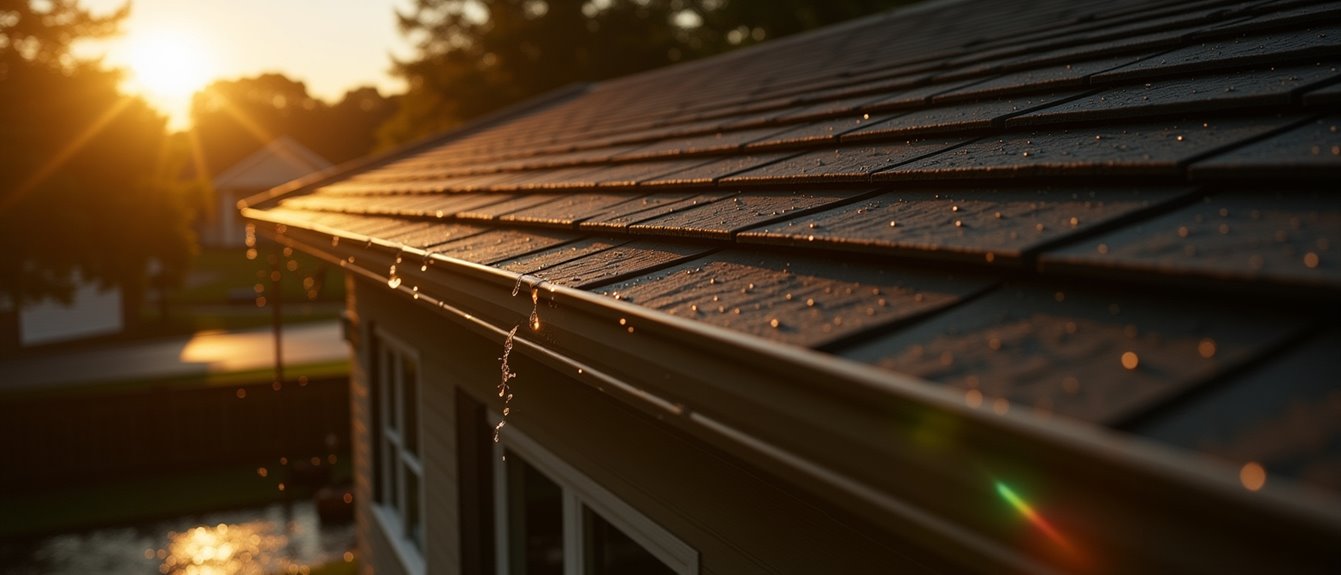
Summary: Rain gutters collect roof runoff and direct it away from your foundation, siding, and landscaping, preventing flooding, erosion, rot, and mold. Choosing the right type, size, and material, plus regular cleaning and timely repairs, keeps the system working and protects your home long term.
Rain gutters catch roof runoff and channel it away from your foundation, siding, landscaping, and walkways to prevent basement flooding, soil erosion, and wood rot. They reduce splash-back that causes siding stains and help keep basements and crawl spaces dry, lowering mold risk. Gutters also protect planted beds and hardscaping from concentrated water damage. You’ll want them where roofs shed lots of water or on sloped sites, and you can learn more about types, costs, and upkeep.
Highlights
- Rain gutters are roof-edge channels that collect and divert rainwater away from a building’s foundation and siding.
- They prevent water damage like rot, mold, basement flooding, and soil erosion around the home.
- Properly sized and installed gutters control stormwater runoff, protecting landscaping and neighboring properties.
- Regular maintenance, cleaning and inspections, keeps gutters flowing and prevents clogs, leaks, and sagging.
- Choosing quality materials and professional installation reduces leaks, long-term repairs, and maintenance needs.
What Rain Gutters Are and How They Protect Your Home
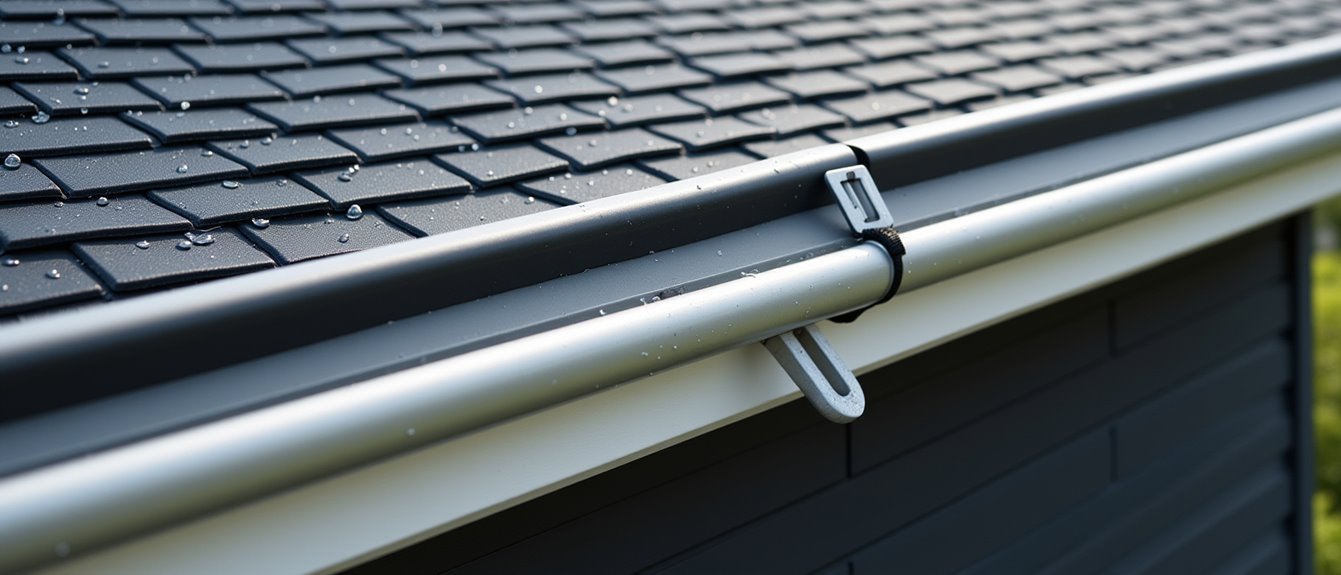
Rain gutters are channels you install along your roofline to capture and direct rainwater away from your house, preventing it from pooling near the foundation or running down siding.
You rely on rain gutters to form a continuous gutter system that routes water away from structural elements, reducing rot, mold, and soil erosion around landscaping.
With proper installation, the system diverts runoff to downspouts and safe discharge points, so basements and crawl spaces stay dry.
You’ll need routine gutter cleaning and inspections to remove debris; clogged gutters compromise flow and let water back toward your home, increasing the risk of costly repairs. Regular maintenance helps protect your home and prevent water damage objectively and efficiently.
If you are unsure where to start, the team at Newport Beach Gutters is ready to help you find the right solution for your home. Call (949) 213-3332 to speak with a local gutter expert and get a free estimate.
When You Need Gutters : And When You Don’t
Although gutters aren't strictly necessary for every home, you should consider them when local rainfall or snowfall is significant, your roof has a large surface area or steep pitch, your property sits on a slope or clay-heavy soil, or local codes require water be directed away from the structure.
You’ll need gutters if your roof funnels large volumes of water that could erode soil, saturate the foundation, or flood basements. In moderate to heavy rainfall or snow regions they’re necessary to prevent long-term damage. Additionally, installing seamless aluminum gutters can help prevent foundation washouts and provide optimal protection.
Conversely, if your roof has wide overhangs, you live on sandy, well-draining soil, and precipitation is light, gutters may be optional.
Check local codes and assess roof and site conditions to decide what’s best for your home's protection.
How Gutters Work: Roofline to Downspout
One well-designed gutter run catches roof runoff and carries it along a slight pitch to a downspout, keeping water from pooling at the foundation. You rely on gutter systems to collect rainwater along roof edges and channel it efficiently; the minimum slope (about 1 in 80) guarantees proper drainage toward downspouts.
Downspouts then move water to the ground or a discharge system to prevent erosion and prevent costly damage. Properly designed and installed downspouts help prevent structural damage by directing water away from vulnerable areas.
- Inspect and clear debris regularly so water flow isn't impeded and clogs don't form.
- Match gutter capacity to roof area and local rainfall intensity to avoid overflow.
- Ensure downspout outlets direct rainwater away from the foundation and into safe drainage to protect landscaping and structural elements.
Top 6 Benefits of Installing Gutters
Installing gutters brings several practical advantages that protect your home and save you money over time.
With proper gutter installation, you channel water from the roof away from the foundation to prevent costly damage like foundation settling or basement flooding. Gutters also protect the exterior by limiting siding, fascia, and paint deterioration caused by runoff.
They reduce soil erosion around planting beds and walkways, preserving landscaping and curb appeal. By minimizing moisture accumulation in basements and crawl spaces, gutters help prevent mold and mildew and support healthier indoor air.
Regular upkeep will lower clog-related pest risks and extend structural longevity in wet or snowy climates. Hiring a professional gutter team ensures your gutters are sized, pitched, and secured correctly, as custom lengths fabricated on site enhance drainage efficiency.
Gutter Types & Materials: Pros and Cons
When you choose gutters, you’re deciding between different types and materials that affect performance, maintenance, appearance, and cost. You’ll weigh one-piece, two-piece, built-in, and double-bottom gutter types for installation and look.
galvanized steel, aluminum gutters, and vinyl gutters Aluminum gutters resist rust and stay lightweight; vinyl gutters are cheap and simple to install but can get brittle in extreme temperatures.
Seamless gutters are formed on-site, cutting leak points and reducing maintenance versus sectional traditional gutters. Consider gutter protection options for debris control. Gutter repair services are essential for maintaining the effectiveness of your chosen system.
Evaluate pros and cons for durability, cost, and climate to pick the right system for your home.
- Compare cost versus longevity
- Match material to local climate
- Factor in gutter protection needs
Gutter Shapes, Sizes & Capacity: Choosing for Your Roof
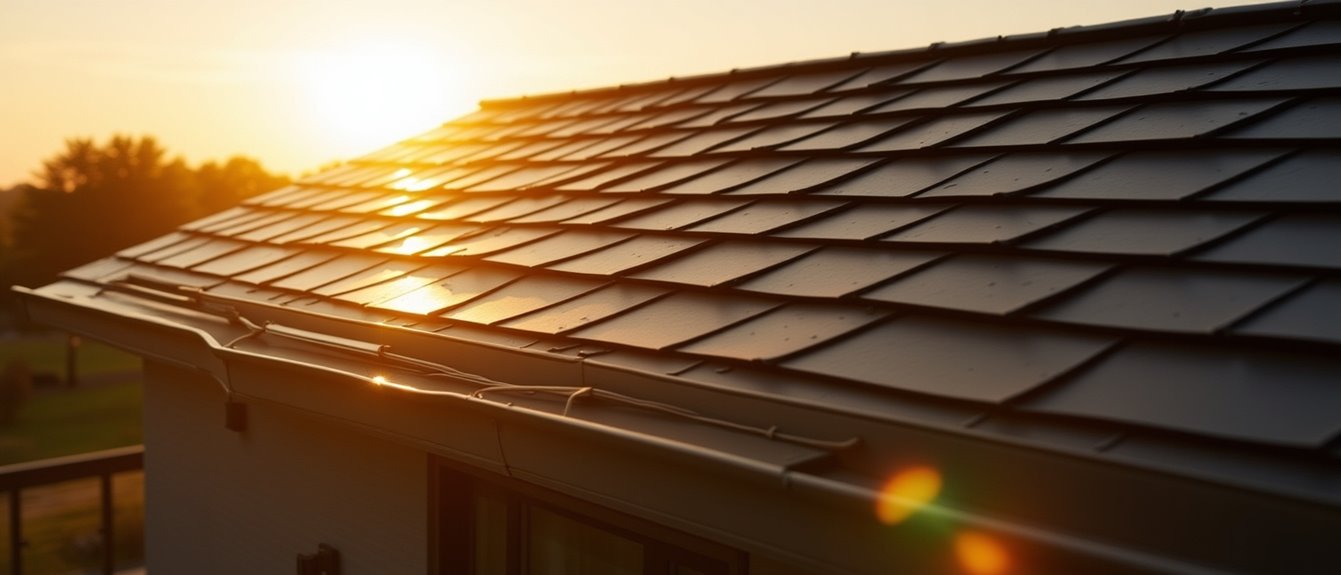
Although gutter choice might seem purely cosmetic, the shape, size, and capacity you select directly determine how well your roof handles rainfall and protects your foundation.
You’ll evaluate gutter shapes, square, half-round, and ogee, by architectural fit and flow characteristics. Match gutter sizes, typically 5 to 6 inches, to your roof area and local rainfall intensity; larger widths handle heavier storms and larger surface areas.
Calculate gutter capacity from roof area and expected rainfall to ensure efficient water discharge and avoid overflow. Opt for seamless gutters when possible: on-site fabrication reduces seams and leak risk.
Finally, ensure proper installation with correct slope (minimum fall ~1 in 80 on flat roofs) and appropriately sized downspouts so water moves away reliably.
Maintenance Checklist: Cleaning, Inspections, Guards
Choosing the right gutters and installing them correctly only protects your roof if you keep them maintained, so set up a regular cleaning and inspection routine. You should clean gutters at least twice a year, spring and fall, to remove leaves and debris that can clog downspouts and cause water damage.
During cleaning, perform inspections to spot cracks, rust, sagging, or improper fasteners. Verify the proper pitch (about 1/4 inch per 10 feet) so water flows to outlets.
Consider gutter guards, screen or foam, to reduce debris and make cleaning less necessary, though you'll still inspect. If clogs persist despite maintenance, evaluate seamless or replacement options to prevent recurring problems.
- Twice-yearly cleaning and visual inspections
- Check and adjust proper pitch; clear downspouts
- Install and inspect gutter guards regularly
Signs Your Gutters Need Repair or Replacement
If you spot visible cracks, holes, or rust on your gutters, or notice sections sagging or pulling away from the roofline, you should treat those as clear signs that repair or replacement is needed. You rely on gutters are necessary to channel water drains away from the house; visible cracks or holes and rust let leaks form, causing damage to your roof and siding. If frequent clogs persist despite cleaning, the system may not be properly installed or sized. Watch for pooling water around foundation after rain, that signals impending foundation problems. The table below summarizes common signs and impacts.
| Sign | Likely Cause | Potential Impact |
|---|---|---|
| Sagging | Improperly installed | Roof edge stress |
| Rust | Corrosion | Leak risk |
| Clogs | Debris buildup | Overflow |
| Cracks | Wear | Water intrusion |
| Pooling | Poor drainage | Foundation problems |
Gutter Costs: DIY, Professional Installation, and Consultations
Deciding between DIY gutters, hiring a pro, or paying for a consultation comes down to cost, skill, and long-term risk, DIY materials typically run $3, $10 per linear foot, while professional installation including labor averages $7, $25 per linear foot and can raise upfront costs but reduce leak risk with options like seamless gutters.
You can save on gutter costs by doing DIY work if you have skills and tools, but professional installation offers warranties and better alignment. Seamless gutters cost more initially yet lower maintenance and leak-prone joints.
Consultations ($50, $150) help match system type to roof and drainage and can prevent costly repairs like foundation repair averaging thousands if neglected.
- Compare DIY vs professional installation costs and risks
- Consider seamless gutters to reduce maintenance
- Use consultations to prevent costly repairs
Frequently Asked Questions
Do Houses Really Need Rain Gutters?
Yes, you need them: picture a dry foundation beside a flooded yard. You’ll prevent erosion, mold, and costly foundation repairs by channeling roof runoff; local codes often require gutters, especially on large or steep roofs.
What Is the Average Cost of Having Gutters Cleaned?
You’ll typically pay about $100 to $250 to have gutters cleaned, with extra $50, $100 for tasks like flushing downspouts or guards; expect biannual cleanings, more often if trees increase debris and clogging risk.
What Happens if It Rains With No Gutters?
If it rains with no gutters, water floods your foundation and gardens like a runaway river, causing structural damage, soil erosion, mold, roof leaks, and inviting pests, leading to costly repairs, remediation, and landscape restoration.
What Are the Common Problems With Rain Gutters?
Common problems include clogging from leaves and debris, sagging or detachment from accumulated weight, rust or corrosion, improper pitch causing poor drainage, ice dams in cold climates, and leaks or damaged seams that compromise water flow.